





Introduction
The gaming industry is often dominated by blockbuster titles with massive budgets and marketing campaigns. However, many of the most creative ideas in modern gaming come from smaller independent studios. Indie developers are often willing to experiment with unconventional mechanics, artistic storytelling, and unique gameplay systems that larger studios might consider too risky.
Games such as Celeste, Outer Wilds, Subnautica, Dead Cells, and Papers, Please are excellent examples of indie titles that introduced innovative concepts to the gaming world. Despite their creativity and success, each of these games faced specific design challenges related to storytelling, difficulty balance, player immersion, and system complexity.
This article explores five influential indie games and examines the deeper gameplay issues that shape their design and player experience.
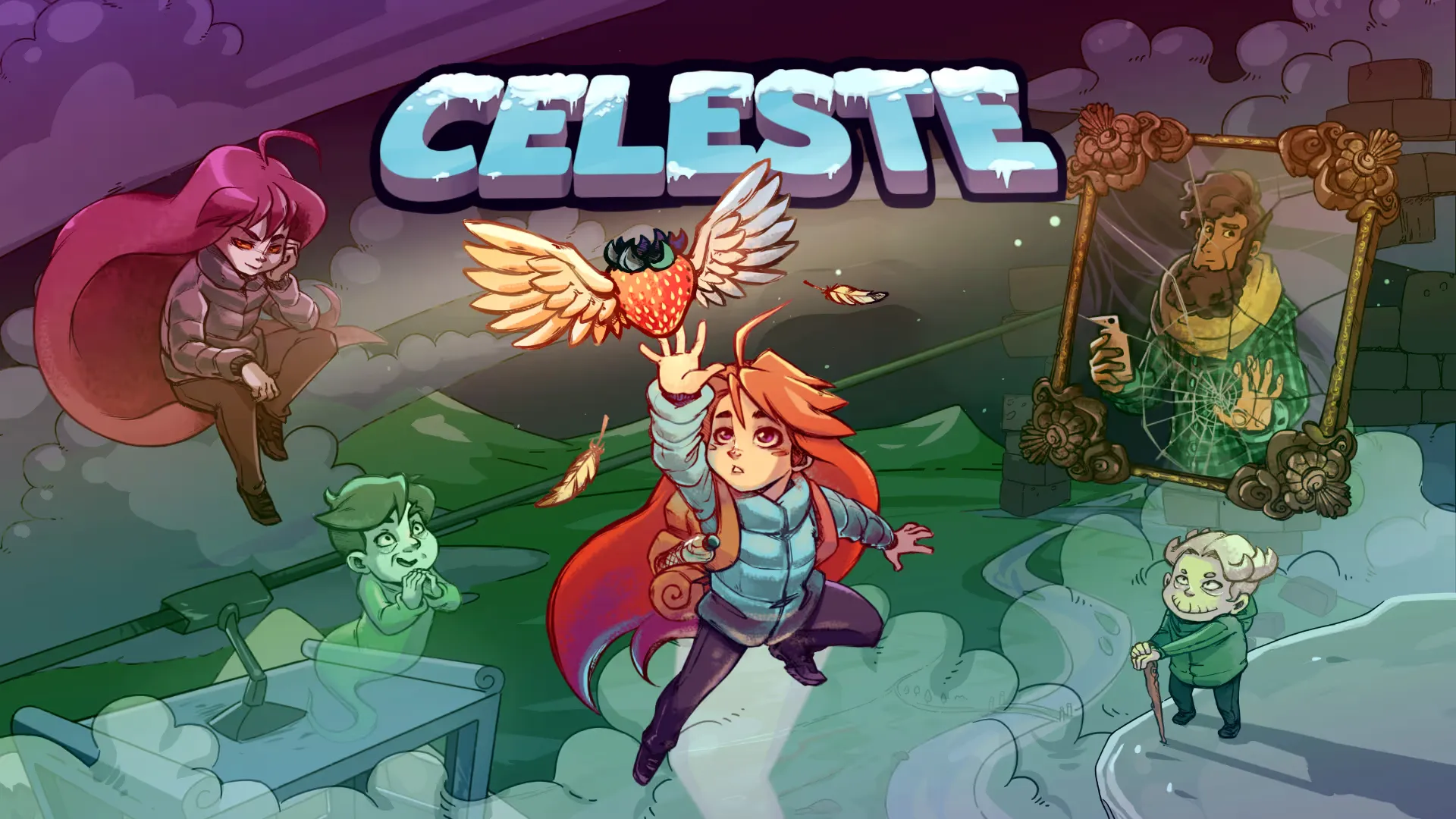
Celeste and the Balance Between Difficulty and Emotional Storytelling
The platformer Celeste is widely known for its challenging gameplay and emotionally powerful narrative. The story follows a young woman named Madeline as she climbs a mysterious mountain while confronting her inner struggles.
What makes the game unique is how the gameplay reflects the emotional themes of the story.
Designing difficulty that supports the narrative
Celeste’s gameplay is intentionally difficult, requiring precise jumps and fast reactions. However, the challenge is designed to encourage perseverance rather than frustration.
Accessibility and player support systems
To ensure that players of different skill levels can enjoy the game, the developers introduced optional assistance features.
These features include:
- adjustable game speed
- optional invincibility settings
- extra stamina for climbing
By offering these options, the game allows players to experience the story even if they struggle with difficult platforming sections.
Outer Wilds and the Challenge of Knowledge-Based Progression
Exploration game Outer Wilds presents one of the most unusual progression systems in modern gaming. Instead of gaining new abilities or equipment, players progress by gaining knowledge.
The entire game revolves around exploring a small solar system that resets every 22 minutes.
Learning as the primary gameplay mechanic
Every discovery made by the player unlocks new understanding about the universe. Information itself becomes the key to solving puzzles.
Preventing accidental spoilers
Because knowledge is the primary form of progress, developers had to carefully design the world to avoid revealing critical information too early.
Challenges include:
- guiding players without explicit objectives
- encouraging curiosity without frustration
- ensuring discoveries feel meaningful

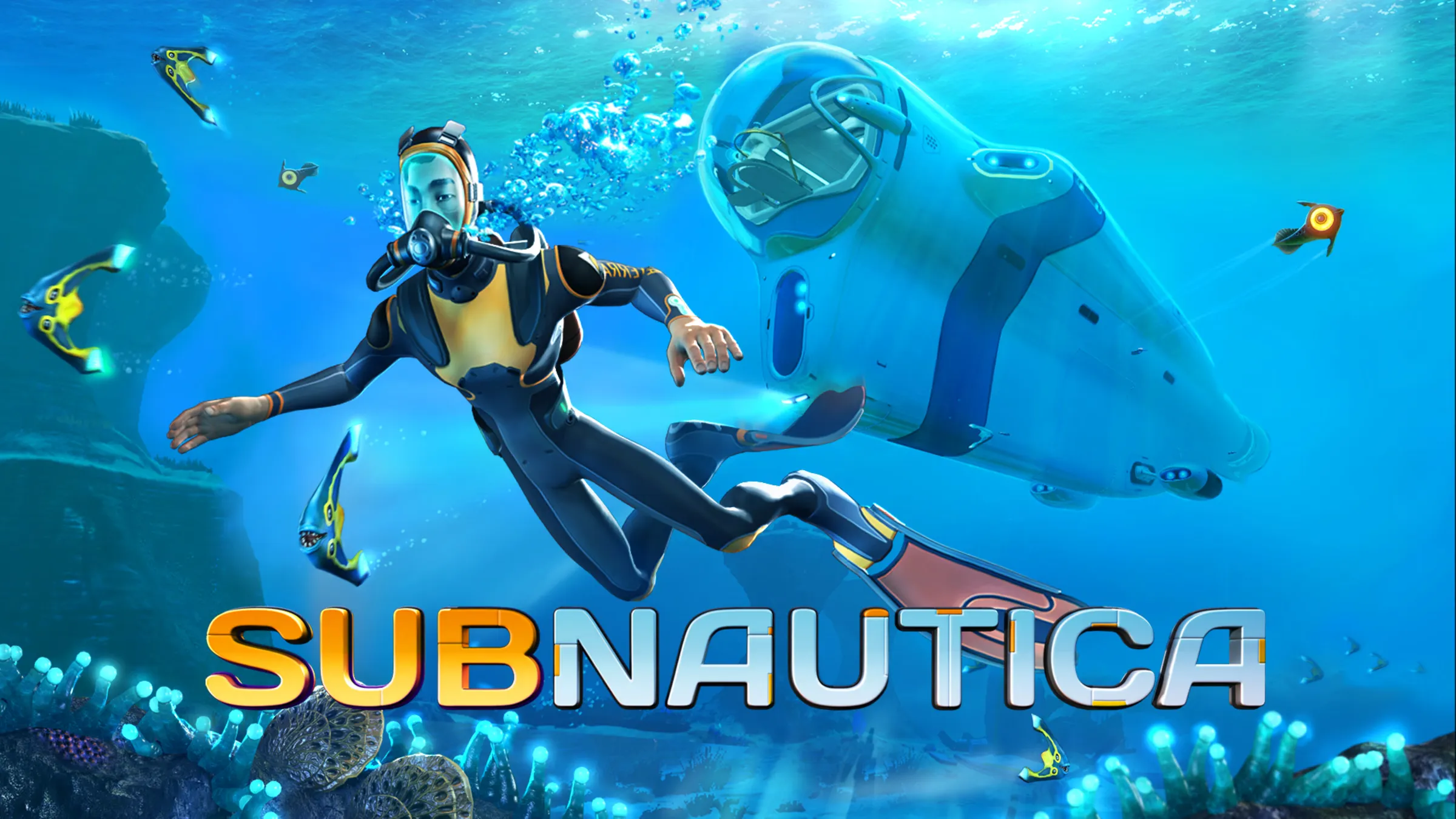
Subnautica and the Psychology of Underwater Fear
Survival exploration game Subnautica immerses players in an alien ocean filled with strange creatures and dangerous environments.
Unlike many survival games that rely on combat, Subnautica emphasizes exploration and environmental storytelling.
Designing fear without traditional horror mechanics
The ocean environment naturally creates tension because players cannot always see what lies beneath the surface.
Managing exploration and survival systems
Players must gather resources, build equipment, and manage oxygen while exploring deeper areas.
Important gameplay systems include:
- oxygen management during dives
- crafting and base building
- navigating dangerous sea creatures
Balancing these systems ensures that exploration remains exciting without becoming overwhelming.
Dead Cells and the Evolution of Roguelike Combat
Action platformer Dead Cells combines roguelike mechanics with fast-paced combat inspired by traditional action games.
Each run through the game is procedurally generated, meaning players encounter different enemies, weapons, and environments every time they play.
Maintaining fairness in procedurally generated levels
Randomized level design must feel challenging but fair.
Encouraging experimentation with weapons
The game features a wide variety of weapons and abilities that encourage players to experiment with different play styles.
Design considerations include:
- ensuring weapon balance
- maintaining smooth combat pacing
- preventing repetitive level layouts

Papers, Please and the Ethics of Interactive Storytelling
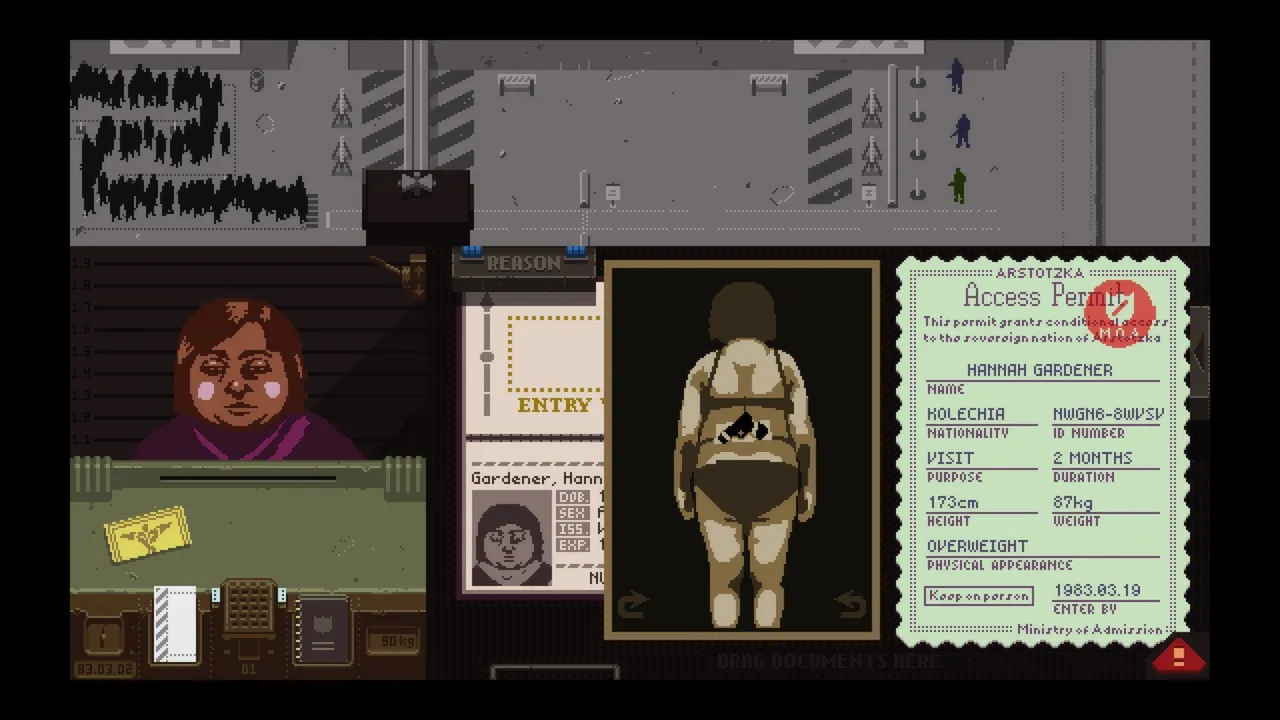
The narrative game Papers, Please places players in the role of a border checkpoint inspector in a fictional authoritarian country.
At first glance, the gameplay seems simple: check passports and approve or deny entry. However, the game gradually introduces complex moral decisions.
Bureaucracy as gameplay
The repetitive process of checking documents is intentional. It reflects the monotony of administrative work while creating tension as rules become more complicated.
Moral dilemmas in decision-making
Players must decide whether to follow strict regulations or show compassion to desperate travelers.
Ethical challenges include:
- choosing between family survival and moral integrity
- deciding when to break government rules
- managing time pressure while making important decisions
Why Indie Games Encourage Design Innovation
Indie developers often work with smaller budgets and teams, but they also have more creative freedom. This allows them to explore unconventional ideas that may not fit mainstream gaming trends.
Innovation in indie games often focuses on:
- emotional storytelling
- experimental mechanics
- unique art styles
- creative player interaction
These elements can create memorable experiences even without large production budgets.
Community Engagement and Long-Term Impact
Many indie games develop strong communities because players feel connected to the developers and the creative vision behind the game.
Community support often leads to:
- fan-created content
- detailed discussions about game design
- continued popularity years after release
This engagement helps indie games maintain cultural relevance long after their initial launch.
The Importance of Player Agency
One major theme shared by the games discussed in this article is player agency—the ability for players to influence outcomes through their decisions and exploration.
Whether it is solving cosmic mysteries in Outer Wilds or making moral choices in Papers, Please, these games emphasize meaningful player involvement.
This design philosophy encourages deeper emotional connections between players and the game world.
Future Trends Inspired by Indie Games
The influence of indie games continues to grow within the gaming industry. Many large studios now incorporate mechanics originally developed by smaller teams.
Future trends inspired by indie innovation may include:
- narrative-driven gameplay systems
- more experimental progression mechanics
- stronger emotional storytelling
- immersive environmental design
These ideas will likely shape the next generation of interactive entertainment.
Conclusion
Indie games such as Celeste, Outer Wilds, Subnautica, Dead Cells, and Papers, Please demonstrate how creativity and thoughtful design can produce deeply meaningful gaming experiences.
Each game addresses unique challenges—from balancing difficulty and storytelling to designing ethical decision systems and procedural worlds. These challenges reveal the complexity behind seemingly simple games and highlight why indie titles continue to influence the broader gaming industry.
160-Character Summary
An exploration of five innovative indie games and the unique design challenges behind their storytelling, gameplay mechanics, and long-term influence.