





Call of Duty®: Black Ops 7 pushes the franchise into one of its most experimental eras yet. Set in the aftermath of the Semi-Autonomous Shadow Conflict, the game introduces a controversial new mechanic called the Neural Threat Assessment (NTA) system—a hybrid of predictive AI profiling, real-time enemy adaptation, and psychological stress monitoring. Intended to modernize the battlefield and reinforce the narrative themes of cognitive warfare, NTA fundamentally alters how missions unfold, how enemies behave, and most critically, how much control players feel they actually have.
This article examines the specific systemic issue at the heart of Black Ops 7:
the erosion of player agency caused by the intrusive, omnipresent Neural Threat Assessment system, which reshapes mission design, weapon balance, narrative tone, multiplayer fairness, and strategic freedom.
Rather than reviewing the entire game, we explore how this single mechanic creates a chain reaction across all major gameplay pillars. Over ten structured sections, we chronologically map NTA’s role in development, gameplay disruption, psychological tension, and long-term player impact.
1. Origins of the Neural Threat Assessment System
The NTA system was conceived during early development as part of Treyarch’s vision for “adaptive warfare realism.”
Its purpose: track player tendencies, cross-reference biometric stress data, and dynamically adjust enemy behavior.
H3: Why the Devs Thought It Was Necessary
- Increase replay value through unpredictability
- Reduce “memorized pathing” in campaign missions
- Introduce AI counterplay in real time
- Reflect the evolving nature of intelligence-driven warfare
H4: Early Challenges in Prototyping
Even in pre-alpha, NTA showed signs of systemic instability:
- Player performance swings were misinterpreted
- AI overreacted to small behavior changes
- The system produced inconsistent difficulty spikes
Yet the team pressed forward, believing refinement could save the concept.
2. How NTA Works in Black Ops 7’s Core Gameplay
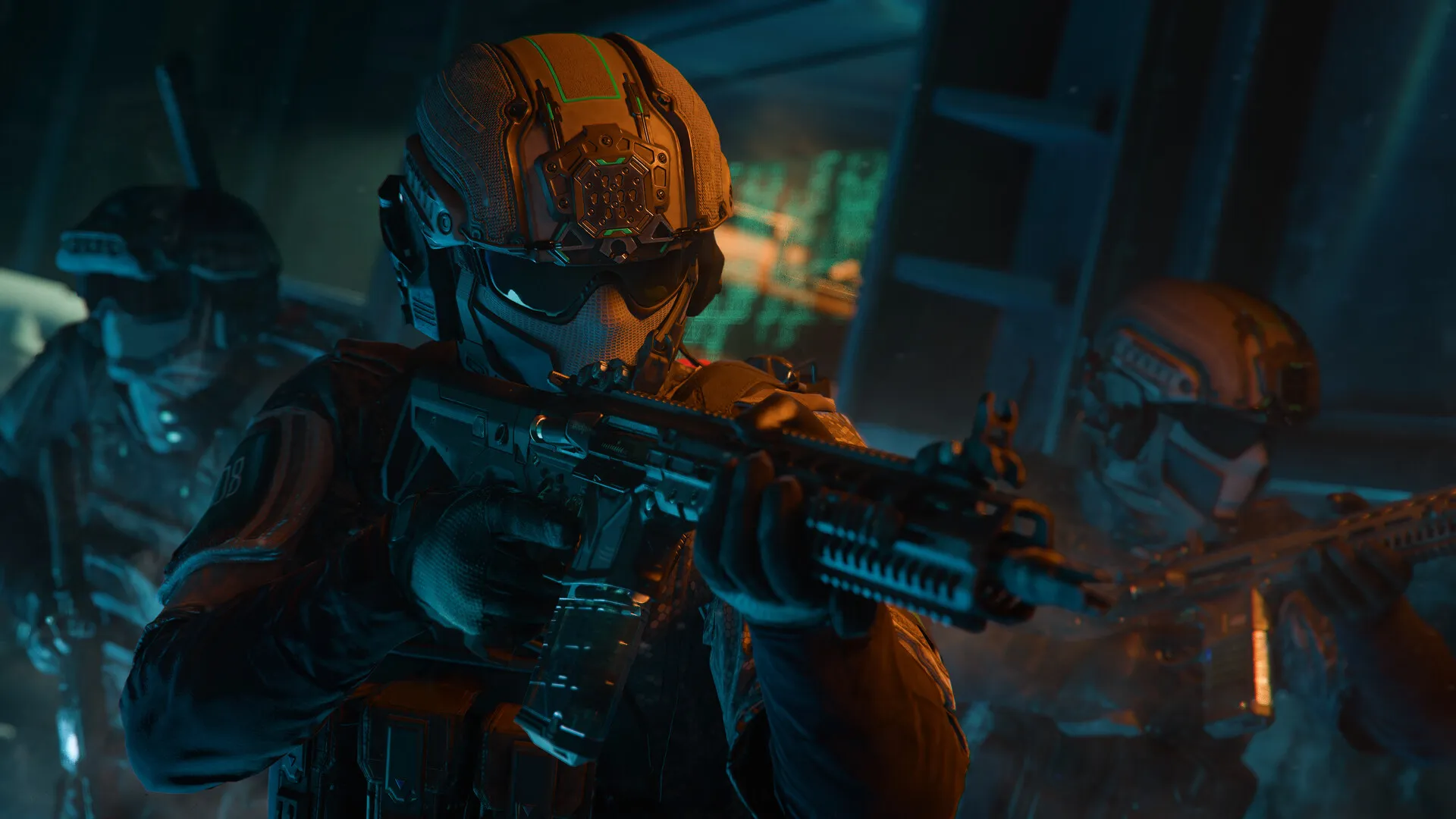
On paper, NTA is a multi-layered system that constantly monitors the battlefield.
H3: Three Data Streams NTA Tracks
- Player Behavior Metrics
- Weapon usage patterns
- Movement tendencies
- Enemy engagement frequency
- Environmental Variables
- Lighting
- Sound signatures
- Line-of-sight optimization
- Psychophysiological Stress Readings (story justification)
- Visual recoil response
- Micro-aim corrections
- Prolonged exposure to pressure zones
H4: The Adaptation Loop
NTA then transforms these readings into AI adaptations:
- Enemy flanks become more aggressive
- Ambush frequency increases
- Bosses use counter-builds against the player
This feedback loop becomes the root of the ensuing gameplay crisis.
3. NTA’s Unintended Consequence: Player Agency Suppression
The biggest issue with NTA is loss of control.
Players report feeling that the game plays them—not the other way around.
H3: Predictability Dies
Classic Call of Duty missions rely on reliable pacing.
NTA destroys this:
- An area safe on one run may be a death trap on another
- Assault patterns shift so radically players can’t strategize
- Tactical planning becomes impossible
H4: When “Adaptivity” Turns into Punishment
NTA reacts too quickly and too aggressively, effectively punishing players for:
- Using a favorite weapon
- Playing cautiously
- Playing aggressively
- Moving too fast or too slow
Every playstyle becomes “wrong” at some point, eroding player identity.
4. Mission Design Breakdown Under NTA Pressure
Mission design in Black Ops 7 is deeply affected by NTA’s constant recalibration.
H3: The “Pressure Spiral” Effect
As NTA learns the player, missions spiral into intensity spikes:
- More enemies spawn
- Escape routes collapse
- Support units arrive earlier
- Bosses gain enhanced resistances
This destroys the crafted difficulty curve.
H4: Story Missions Lose Their Rhythm
Traditionally, Black Ops missions follow:
- Setup
- Encounter
- Set piece
- Resolution
NTA disrupts every stage, turning narrative-driven missions into chaotic sandboxes.
5. Weapon Balance Collapses Under AI Counter-Strategies
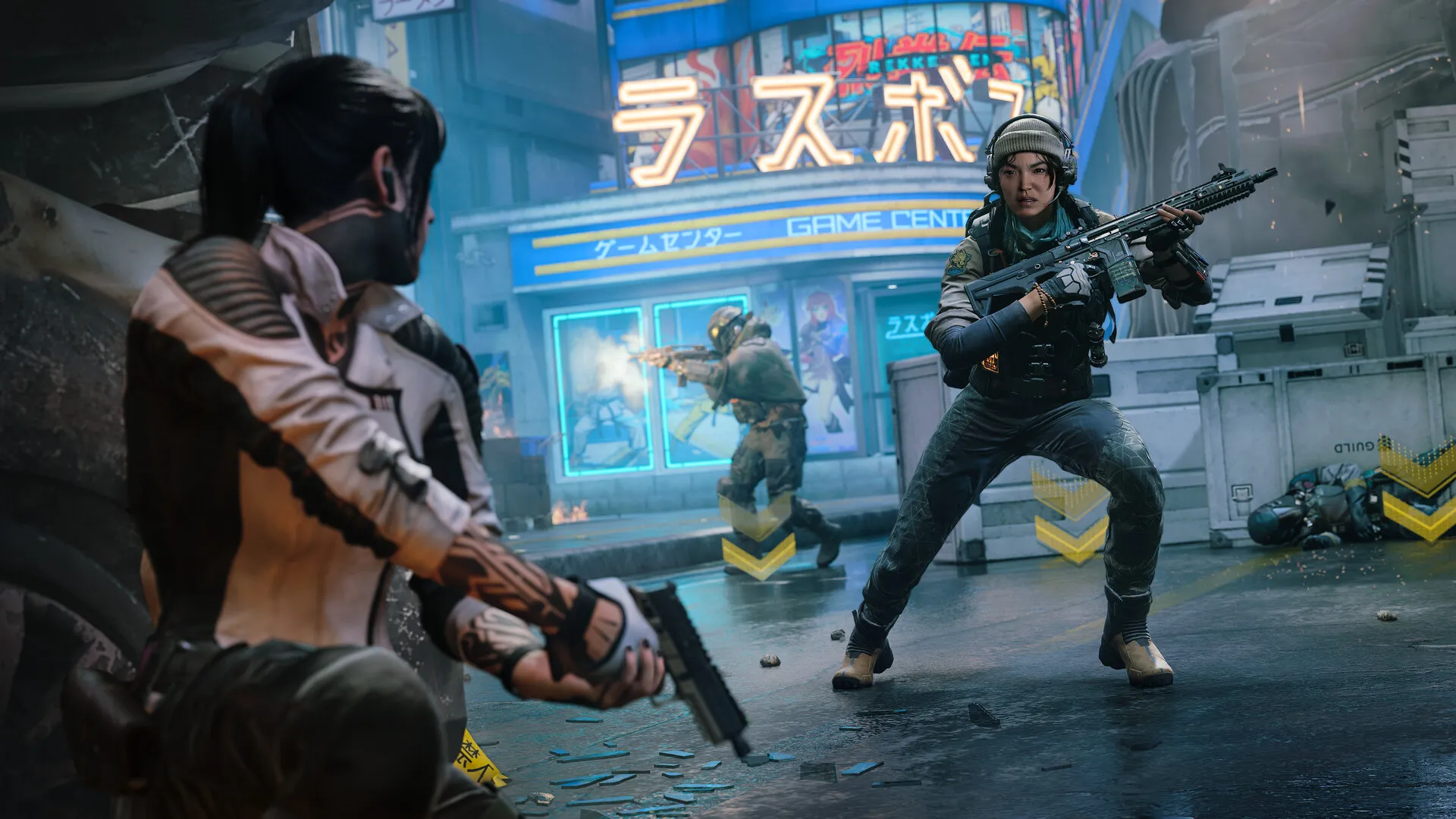
Weapon balance is one of the franchise’s pillars, but NTA shifts enemy resistances based on perceived “player dependence.”
H3: Weapons NTA Frequently Undermines
- Snipers (AI closes distance)
- SMGs (AI switches to longer lines of sight)
- Shotguns (AI increases mid-range engagements)
- LMGs (AI uses more explosives)
H4: The Identity Crisis in Arsenal Design
Each weapon archetype loses meaning when AI neutralizes its strengths.
Players can’t commit to mastery because the game shapes itself to thwart it.
6. Psychological Impact: The Stress Echo Problem
Black Ops 7 integrates psycho-narrative elements that tie into NTA’s monitoring systems.
While the emotional tension is intended, the result is Stress Echo—a compounding feeling of surveillance and punishment.
H3: When Stress Becomes Fatigue
Players report:
- Sensory overload
- Reduced strategic experimentation
- Heightened frustration from unpredictable deaths
- Loss of achievement satisfaction
H4: The Player–Game Relationship Erodes
Instead of feeling challenged, players feel harassed.
The system’s constant “countering” feels personal.
7. Multiplayer: The Collapse of Fair Predictability
NTA influences multiplayer only partially, but even that limited involvement causes chaos.
H3: AI-Assisted Enemy Predictions
In some modes, NTA passively:
- Highlights high-risk zones
- Alerts enemies of predictable rotations
- Adjusts spawn weighting
H4: Competitive Integrity Droops
Players feel:
- Kill cams reveal inconsistent tracking behavior
- Predictive spawns benefit certain playstyles
- Engagements are decided by the system, not skill
Esports organizations raised concerns regarding fairness.
8. Case Study: The “Adaptive Siege” Mission Disaster
The mission Adaptive Siege is now infamous among players as the worst showcase of NTA excess.
H3: What Players Expected
A stealth infiltration followed by a controlled exfiltration fight.
H4: What Actually Happens
NTA escalates instantly:
- Enemies spawn in unpredictable clusters
- Escape routes collapse randomly
- Reinforcements overrun stealth entries
- The boss mirrors the player’s exact loadout
For many, the mission felt unwinnable until NTA “loosened” its grip after multiple deaths—further proving how artificial the challenge was.
9. Developer Responses and Community Debates
Treayrch acknowledged the issue but remains divided internally on proposed fixes.
H3: Patch Attempts
- Reduced NTA reactivity
- Added “Stability Mode” in campaign
- Capped enemy adaptation rates
- Limited AI access to player stress data
H4: Community Arguments
Two major factions emerged:
Pro-NTA players:
- Enjoy adaptive chaos
- Appreciate unpredictability
- Feel more immersed
Anti-NTA players:
- Want agency back
- Want predictable skill-based gameplay
- Prefer handcrafted mission pacing
The debate remains unresolved.
The Neural Threat Assessment system is one of the most innovative but polarizing mechanics ever introduced in a Call of Duty title.
Its ambitions—dynamic AI, adaptive difficulty, cognitive storytelling—are bold and conceptually powerful.
Yet by overstepping its system boundaries, NTA unintentionally:
- Removes player agency
- Undermines weapon identity
- Disrupts mission pacing
- Creates psychological fatigue
- Compromises fairness in multiplayer
- Weakens narrative immersion
Black Ops 7 reveals a vital truth:
Innovation must empower the player, not overshadow them.
Until NTA is rebalanced to support rather than dominate gameplay, its brilliance will remain overshadowed by the chaos it causes.