

Little Nightmares III is the next evolution of the beloved horror-adventure franchise known for its unsettling atmosphere, symbolic storytelling, and haunting visual design. As a highly anticipated hot game, it introduces new characters, cooperative mechanics, and a deeper exploration of fear through a child’s perspective. The game preserves the series’ eerie identity while expanding its scope.
This complete guide explains how to approach Little Nightmares III, understand its mechanics, explore its world safely, and appreciate its narrative depth. Whether you are a returning fan or a newcomer, this hot game offers a chilling and unforgettable experience.
1. The Vision and Direction of Little Nightmares III
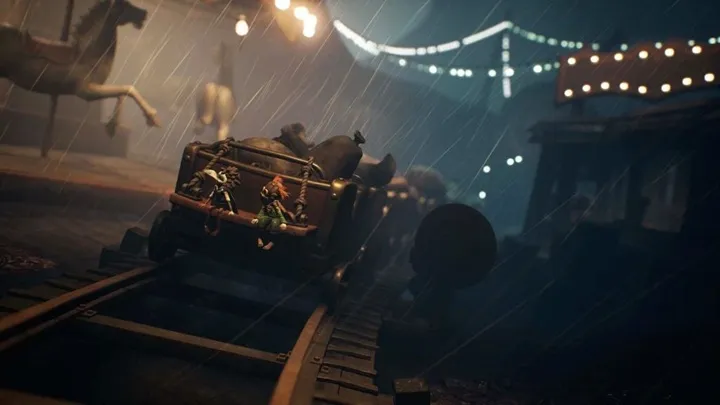
Little Nightmares III continues the series’ tradition of portraying fear through surreal environments and vulnerable protagonists. This time, the experience expands with cooperative gameplay, allowing two characters to face horrors together.
This design choice refreshes the formula while keeping the emotional intensity that makes it a hot game.
Creative Direction
- Focus on shared fear
- Larger interconnected environments
- Symbolic storytelling
Atmospheric Identity
Silence and sound design remain central to tension.
2. Why Little Nightmares III Is a Hot Game
The franchise has built a strong reputation for psychological horror without relying on jump scares. Little Nightmares III builds on that legacy with innovation.
Its blend of art, fear, and narrative depth makes it a standout hot game in the horror genre.
Key Reasons for Popularity
- Unique visual storytelling
- Deep emotional themes
- Fresh cooperative mechanics
Player Anticipation
Fans expect meaningful evolution, not repetition.
3. How to Get Started in Little Nightmares III
New players often wonder how to approach the game without feeling overwhelmed. The opening chapters gently introduce mechanics and controls.
Observation is more important than speed in Little Nightmares III.
Beginner Guidance
- Move slowly
- Observe enemy patterns
- Use environmental clues
Survival Mindset
Patience is your strongest tool.
4. Dual Protagonists and Cooperative Gameplay
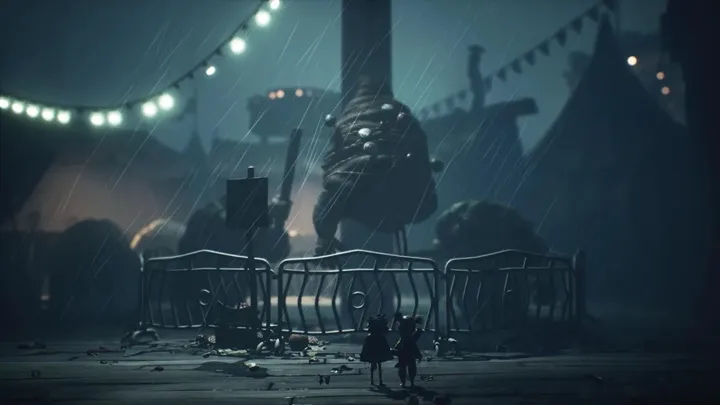
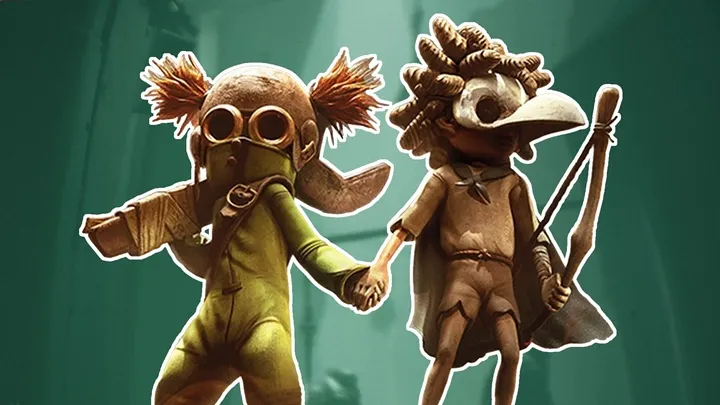
A major change in Little Nightmares III is the presence of two protagonists. Each character has unique abilities that complement the other.
Understanding how to coordinate actions is essential for progress.
Co-op Mechanics
- Shared puzzles
- Ability-based teamwork
- Synchronized movement
Solo and Co-op Balance
AI assistance supports solo players.
5. Environmental Storytelling and World Design
The world of Little Nightmares III tells its story without words. Every location reflects fear, neglect, and distorted childhood memories.
Learning how to read visual cues enhances immersion.
World-Building Elements
- Symbolic architecture
- Disturbing background details
- Silent narratives
Hidden Meaning
Every object has narrative intent.
6. Enemy Design and Stealth Mechanics
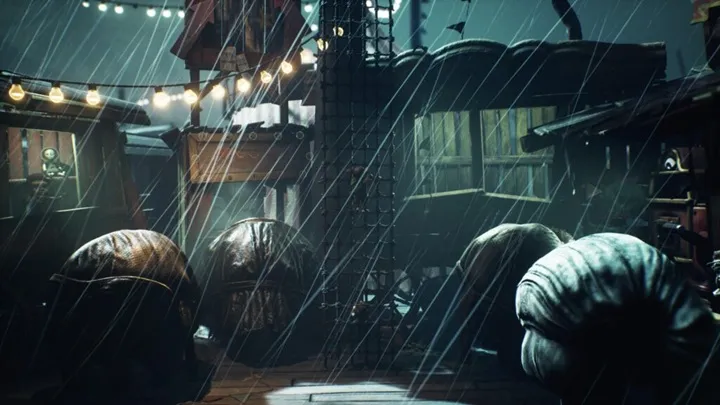
Enemies in Little Nightmares III are designed to feel overwhelming and unpredictable. Direct confrontation is rarely an option.
Understanding how to hide, distract, and escape is vital.
Enemy Types
- Stalking creatures
- Environmental threats
- Puzzle-based dangers
Stealth Strategy
Sound and shadows control survival.
7. Puzzles and Problem-Solving
Puzzles play a central role in Little Nightmares III. They are integrated naturally into the environment and often require cooperation.
Knowing how to think creatively helps solve challenges efficiently.
Puzzle Styles
- Physics-based interactions
- Timing challenges
- Cooperative mechanisms
Logical Fear
Puzzles reinforce emotional tension.
8. Emotional Themes and Psychological Horror
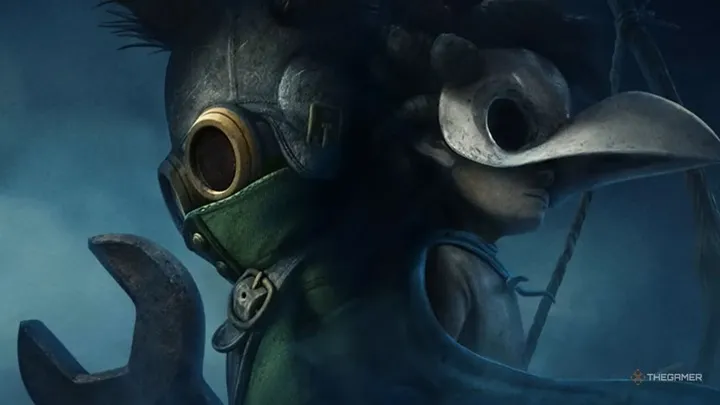
The franchise has always explored fear, trauma, and vulnerability. Little Nightmares III deepens these themes through character relationships.
This emotional depth strengthens its status as a hot game.
Core Themes
- Childhood fear
- Dependence and trust
- Isolation
Emotional Impact
Fear is psychological, not just visual.
9. Replayability and Player Interpretation
Little Nightmares III encourages replay through hidden paths, alternate perspectives, and environmental secrets.
Players often revisit to uncover deeper meaning.
Replay Features
- Secret areas
- Visual symbolism
- Multiple interpretations
Narrative Mystery
The story invites discussion and theory.
10. The Future of the Little Nightmares Series
Little Nightmares III represents a bold step forward for the franchise. Its cooperative design opens new storytelling possibilities.
This evolution suggests a long future for the series as a hot game franchise.
Future Potential
- Expanded lore
- New character stories
- Deeper co-op experiences
Series Growth
Innovation keeps fear alive.
Conclusion
Little Nightmares III successfully expands its haunting universe while staying true to its emotional and artistic roots. By learning how to navigate environments, cooperate effectively, and interpret visual storytelling, players can fully experience the game’s psychological depth.
For fans of atmospheric horror and symbolic storytelling, Little Nightmares III stands as a powerful hot game that transforms fear into art.