




Outer Wilds is a unique exploration adventure that places players in a handcrafted solar system filled with mysteries, strange phenomena, and ancient ruins. Unlike many games that focus on combat or leveling systems, this experience revolves entirely around curiosity and discovery. Every planet holds secrets waiting to be uncovered, and progress comes from knowledge rather than upgrades.
The game’s central mechanic is a repeating time loop that constantly resets the universe. Instead of seeing this as a limitation, players gradually learn how to use the loop to investigate locations, understand patterns, and piece together a cosmic story. This guide explains how to approach Outer Wilds effectively so you can explore confidently and unravel the mysteries hidden throughout the system.
SECTION 1: How to Understand the Core Exploration Loop
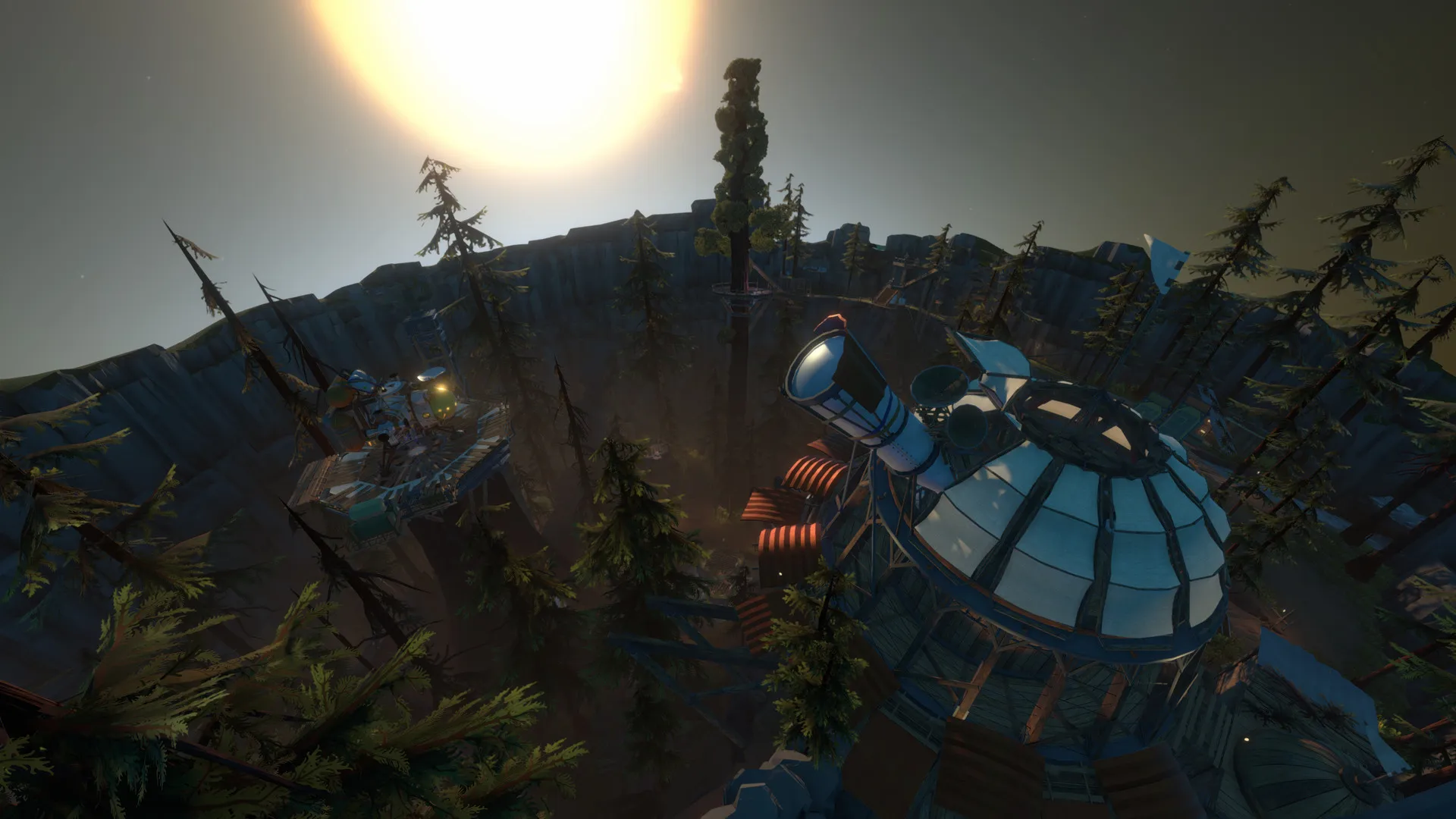
Outer Wilds revolves around exploration, observation, and discovery. Players launch from their home planet and travel to other celestial bodies in search of clues about an ancient civilization and the fate of the solar system.
Unlike traditional games, progress does not come from items or skills. Instead, knowledge gained from one location often reveals how to access another. Paying attention to details is essential because even small discoveries can unlock major breakthroughs.
SECTION 2: How to Learn the Basics of Space Travel
Piloting your spacecraft is the first major skill players must learn. Movement in space follows realistic physics, meaning momentum and gravity affect navigation.
Practicing careful acceleration, braking, and orientation helps prevent crashes. Learning how to land safely on different planetary surfaces becomes easier once you understand how gravity varies across the solar system.
SECTION 3: How to Use Your Tools Effectively
Your character carries several tools that assist with exploration and investigation. These tools provide ways to observe distant objects, translate ancient texts, and scout dangerous areas.
Understanding when to use each tool helps uncover hidden information. Some puzzles require careful observation or remote exploration before attempting to reach a location directly.
SECTION 4: How to Explore Planets Safely
Each planet in the game behaves differently and presents unique hazards. Some worlds have unstable terrain, shifting sand, or extreme gravity.
Approaching new locations cautiously prevents unnecessary deaths. Taking time to observe environmental changes often reveals safe paths or hidden entrances that may not be obvious at first glance.
SECTION 5: How to Understand the Time Loop
The repeating time loop is the core structure of the game. Every cycle eventually resets the solar system, returning you to the starting point with all knowledge intact.
Instead of rushing, players should treat each loop as an opportunity to experiment. Even failed attempts provide valuable information that can guide future exploration.
SECTION 6: How to Read Clues and Ancient Messages
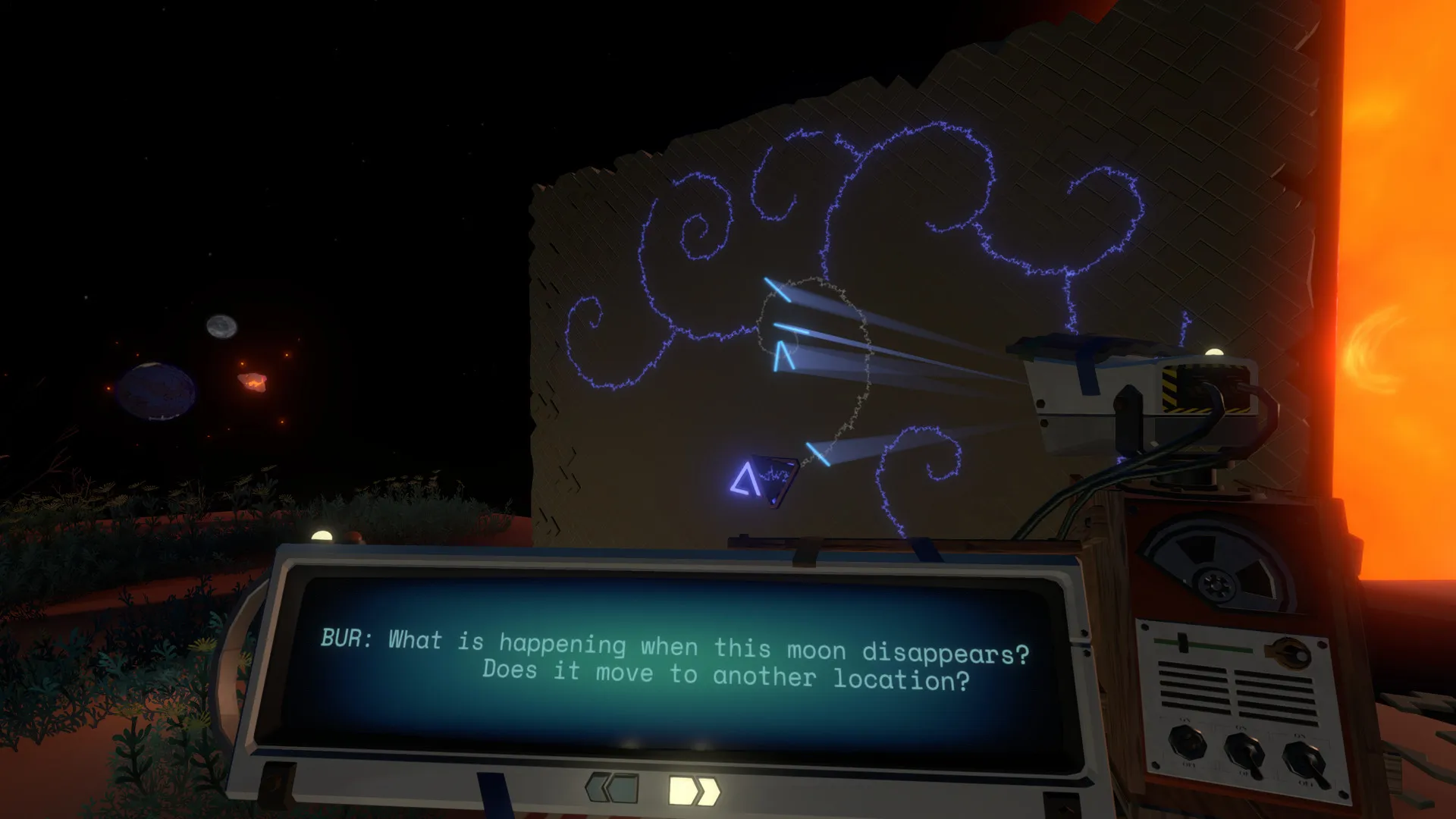
Throughout the solar system, players encounter ruins left by an ancient species. These ruins contain written messages that gradually reveal the story of the past.
Carefully reading these messages is essential for understanding puzzle solutions and uncovering the narrative. Often, information discovered on one planet provides insight into another location entirely.
SECTION 7: How to Connect Clues Across the Solar System
Outer Wilds encourages players to think like investigators. Clues discovered in one place often point toward another planet or hidden structure.
Maintaining awareness of these connections allows you to build a mental map of the mystery. The more clues you gather, the clearer the overall picture becomes.
SECTION 8: How to Handle Dangerous Environments
Some areas contain environmental hazards that require careful timing or preparation. Strong gravity, collapsing terrain, and other natural dangers can make exploration risky.
Observing patterns in these hazards often reveals safe windows of opportunity. Patience and planning usually succeed where speed and recklessness fail.
SECTION 9: How to Use Curiosity as Your Main Strategy
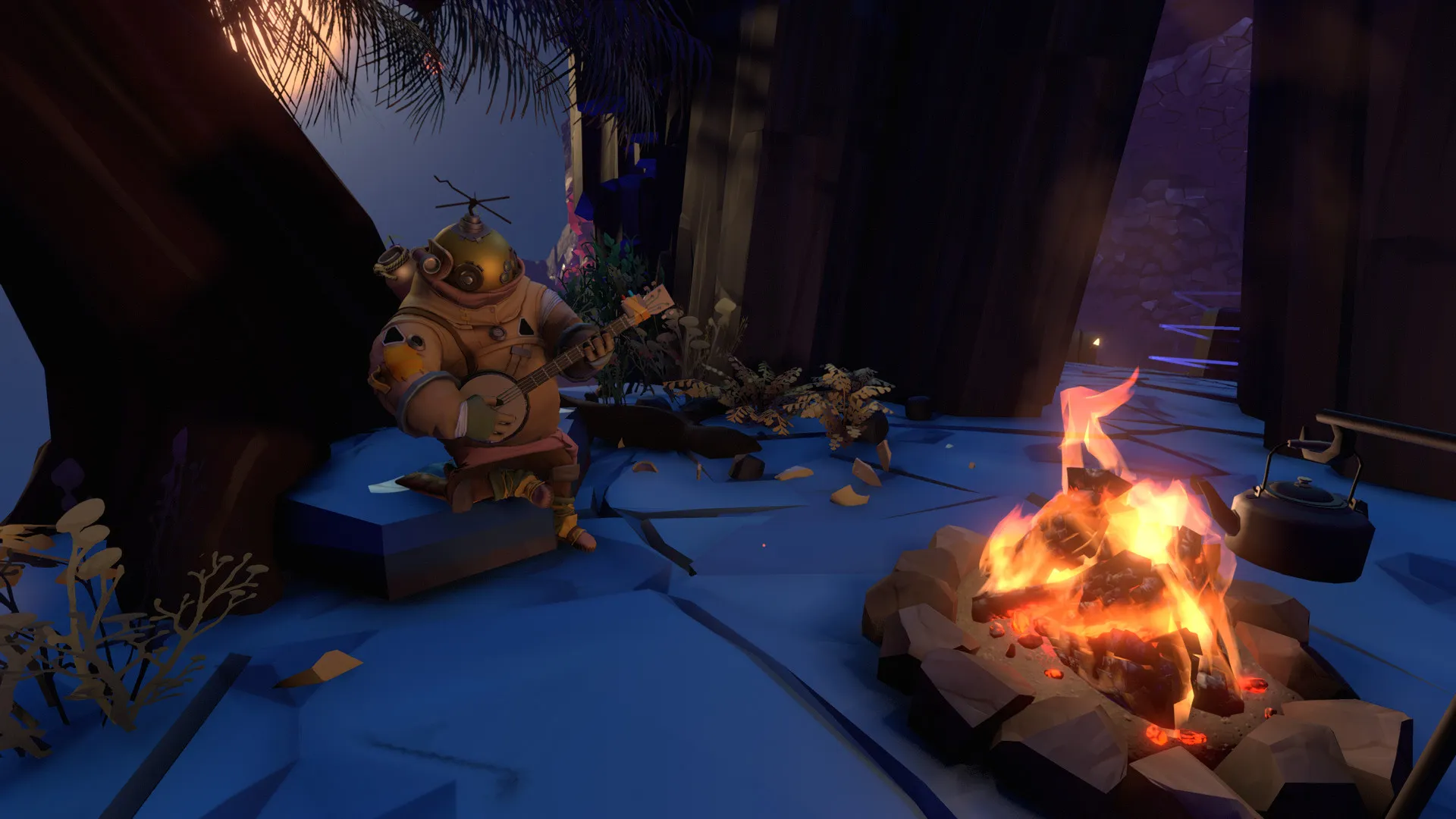
Curiosity is the most powerful tool in Outer Wilds. Instead of following strict objectives, the game encourages players to pursue questions that naturally arise during exploration.
Following these questions often leads to unexpected discoveries. The more curious you remain, the more rewarding the experience becomes.
SECTION 10: How to Piece Together the Final Mystery
As players collect clues from across the solar system, the broader narrative slowly becomes clear. Understanding how different discoveries relate to one another leads toward the game’s ultimate conclusion.
Reaching this final understanding requires patience and persistence. The journey itself is the reward, and every discovery contributes to the final revelation.
CONCLUSION
Outer Wilds offers a remarkable exploration experience built on curiosity, observation, and discovery. By learning how to pilot your ship, interpret clues, navigate dangerous environments, and embrace the time loop, players can uncover the mysteries hidden across the solar system. The game rewards patience and thoughtful exploration, making every revelation feel earned and unforgettable.