.webp)


Quarantine Zone: The Last Check presents itself as a checkpoint survival game, but its true conflict is not between player and infected civilians. Instead, the real struggle lies between the player and incomplete information. Unlike games that reward mastery through pattern recognition and optimization, Quarantine Zone deliberately withholds clarity. This article examines how the game transforms inspection mechanics into a psychological endurance test by engineering uncertainty, forcing players to make irreversible decisions under pressure without reliable confirmation.
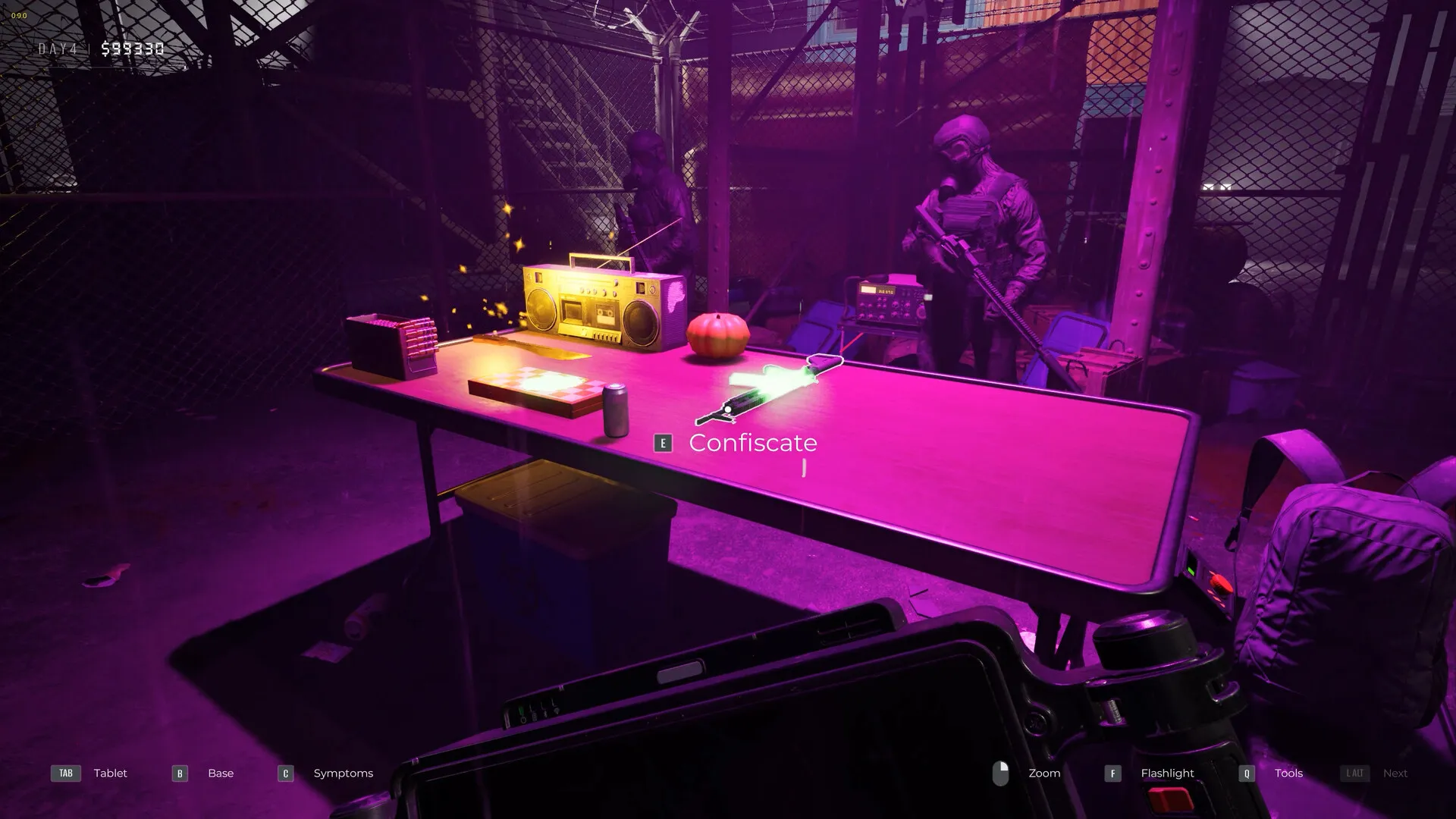
1. The Illusion of Control at the First Checkpoint
Early gameplay establishes a false sense of authority.
Players are given tools, rules, and protocols that suggest a predictable system. The environment feels orderly, almost bureaucratic.
This illusion quickly fractures as inconsistencies emerge, revealing that control exists only on the surface.
2. Information Is Fragmented by Design
The game never presents complete data.
Documents, visual cues, and behavioral signs contradict one another, preventing absolute certainty in any decision.
Controlled ambiguity
The system ensures that every data source is partially unreliable.
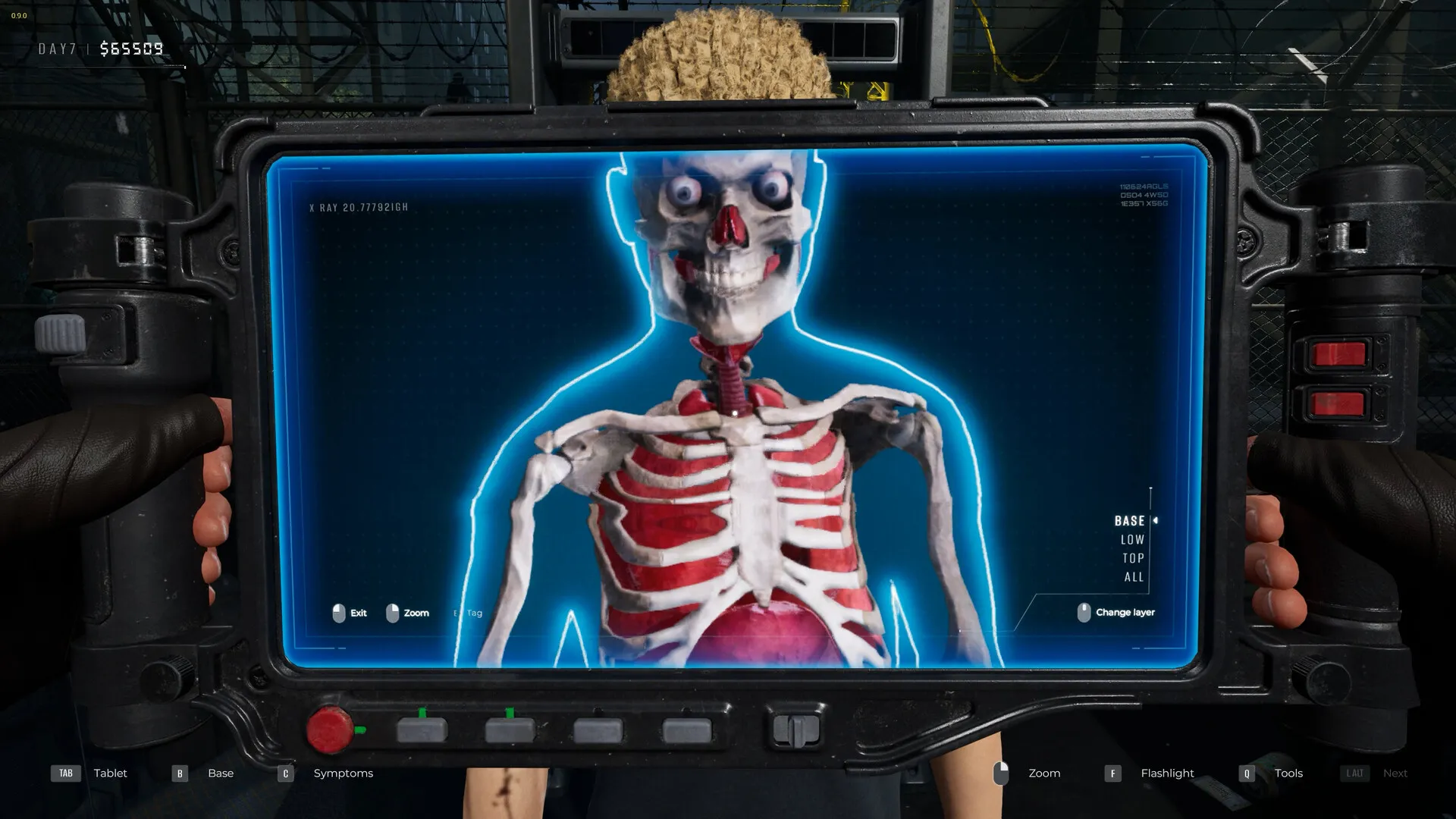
3. Inspection Mechanics as Psychological Load
Checking documents is mechanically simple.
However, the emotional weight comes from knowing that mistakes are unavoidable, not avoidable.
Cognitive stress
The challenge lies in doubt, not dexterity or speed.
4. Time Pressure Without Explicit Timers
The game rarely uses visible countdowns.
Instead, pressure is created through environmental cues, radio messages, and escalating consequences.
Invisible urgency
Players feel rushed without being told they are late.
5. Moral Ambiguity Replaces Right and Wrong
Decisions are rarely framed as correct or incorrect.
Choosing to deny entry may doom an innocent, while allowing passage may endanger everyone.
Ethical erosion
Repeated exposure blurs the player’s moral compass.
6. Pattern Recognition Is Actively Punished
Many games reward learning patterns.
Quarantine Zone subverts this by changing rules, symptoms, and outcomes unpredictably.
Anti-mastery design
Confidence becomes a liability rather than an asset.
7. Feedback Loops That Offer No Closure
Consequences are often delayed or obscured.
Players may never learn whether a choice was justified.
Unresolved outcomes
The absence of closure sustains long-term tension.
8. Environmental Storytelling Reinforces Distrust
Visual details contradict official information.
Small inconsistencies in character behavior or surroundings undermine institutional authority.
World as unreliable narrator
The environment teaches players not to trust systems.
9. Emotional Fatigue as a Difficulty Curve
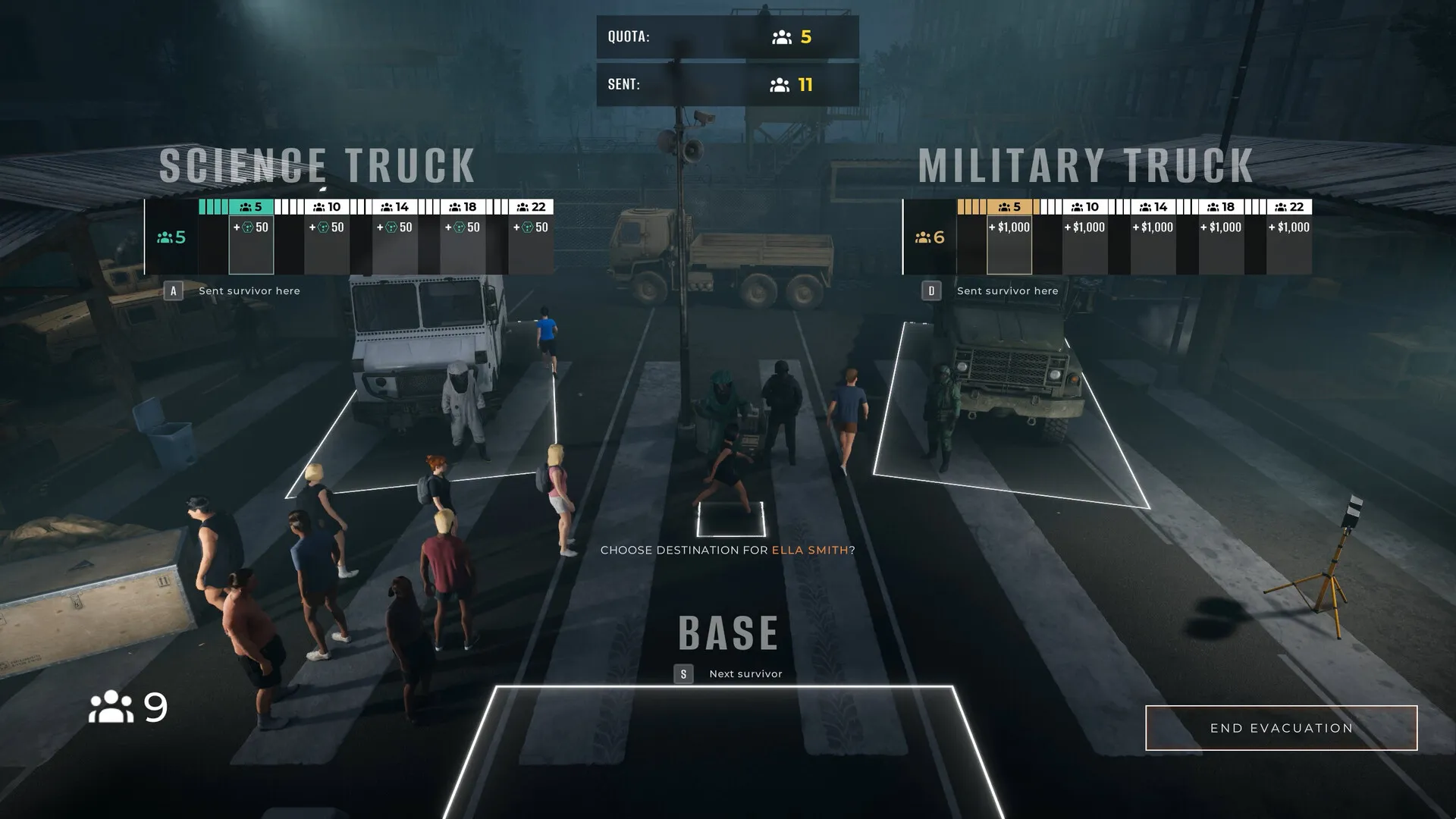
Difficulty does not scale through mechanics.
It scales through emotional exhaustion, decision fatigue, and cumulative stress.
Psychological attrition
Players lose certainty before they lose resources.
10. Why Uncertainty Is the Game’s True Antagonist
There is no final enemy to defeat.
The true threat is operating under permanent doubt with irreversible consequences.
This design choice defines the game’s identity and lasting impact.
Conclusion
Quarantine Zone: The Last Check succeeds by rejecting traditional difficulty structures. Instead of testing reflexes or optimization skills, it confronts players with the psychological cost of authority exercised under uncertainty. By fragmenting information, denying closure, and punishing confidence, the game transforms routine inspection into a sustained moral and emotional trial. Its brilliance lies not in what it asks players to do, but in how it makes them feel while doing it.