Stardew Valley: A Comprehensive Overview of the Farming Simulation Game
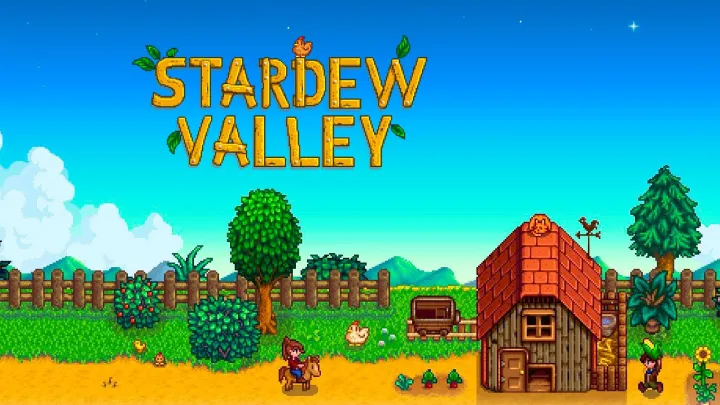
Stardew Valley is a beloved indie farming simulation game developed by ConcernedApe (Eric Barone) and released in 2016. Since its launch, it has gained a massive following due to its charming graphics, engaging gameplay mechanics, and the freedom it offers players to build their own farming life. This article delves into the origins of Stardew Valley, its gameplay features, community and cultural impact, and what makes it a unique entry in the gaming landscape.
Origins of Stardew Valley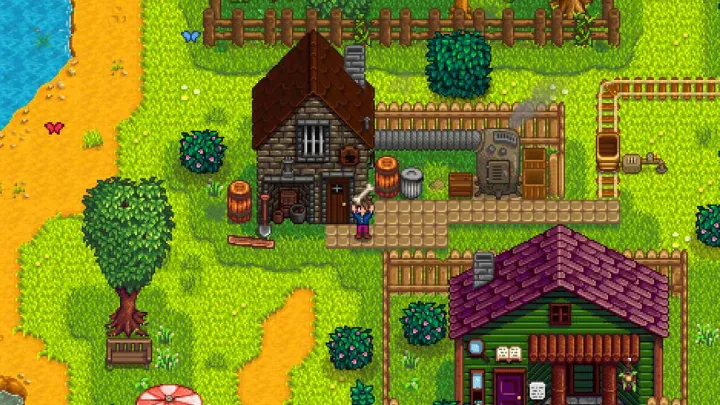
Development Background
The journey of Stardew Valley began when Eric Barone, a passionate gamer and programmer, decided to create a game reminiscent of the classic Harvest Moon series. He aimed to fill the gap left by the declining quality of farming simulation games.
- Solo Developer: Barone developed Stardew Valley single-handedly, managing everything from programming and design to graphics and music. This feat is particularly impressive given the game's wide array of features and depth.
- Launch and Reception: Upon its release, Stardew Valley received critical acclaim for its nostalgic charm and depth of gameplay. It quickly became a bestseller on platforms like Steam, attracting both longtime fans of the genre and newcomers alike.
Inspiration and Influences
Stardew Valley draws significant inspiration from various games and genres:
- Harvest Moon Series: Barone often cited the Harvest Moon series as a primary influence. The emphasis on farming, relationships, and community-building echoes the mechanics established in this classic series.
- Animal Crossing: Elements of design and community life in Stardew Valley also reflect aspects of Animal Crossing, particularly the focus on building relationships with in-game characters and creating a personalized living space.
Gameplay Mechanics
Farming and Harvesting
At its core, Stardew Valley revolves around farming. Players inherit a dilapidated farm in Pelican Town, where they can plant crops, raise animals, and craft goods.
- Crop Variety: Players can grow a wide variety of crops, each with unique growth cycles, seasons, and profitability. From strawberries to blueberries, players must plan strategically to maximize their harvests.
- Animal Husbandry: In addition to crops, players can raise animals such as chickens, cows, and goats. Caring for animals involves feeding, petting, and constructing appropriate shelters, adding another layer of management to the gameplay.
Engaging in the Community
Building relationships is a significant aspect of Stardew Valley. Players can interact with the townsfolk, each with unique personalities and backstories.
- Friendship and Romance: By giving gifts, completing quests, and attending festivals, players can increase their friendship levels with characters, leading to romantic relationships and even marriage.
- Events and Festivals: The game features various seasonal events and festivals that encourage interaction. Participating in these events can yield rewards and deepen relationships with townsfolk.
Exploration and Mining
Beyond farming, Stardew Valley offers opportunities for exploration and adventure.
- The Mines: Players can venture into the mines to gather resources, battle monsters, and find valuable gems. Mining provides essential materials for crafting and upgrades, enhancing the farming experience.
- Fishing and Foraging: Players can also fish and forage for wild plants and materials, which can be sold or used to craft items. This diversification allows for various playstyles and economic strategies.
Crafting and Upgrading
Crafting plays a crucial role in Stardew Valley, enabling players to create tools, machines, and artisan goods.
- Crafting System: The extensive crafting system allows players to create items like preserves, cheese, and artisan goods, which can be sold for profit or used to enhance the farm.
- Upgrades: Players can upgrade their tools and buildings, adding functionality and improving efficiency on their farms. Upgrading is essential for progression, encouraging players to explore all aspects of the game.
Graphics and Art Style
Charming Pixel Art
Stardew Valley features a delightful pixel art style that evokes nostalgia for classic games while offering a vibrant and colorful world.
- Visual Design: The graphics are bright and inviting, creating a cozy atmosphere that encourages exploration and engagement in daily farming life.
- Seasonal Changes: The game beautifully represents seasonal changes, with each season bringing unique visual themes, making the player's experience feel dynamic and engaging.
Sound Design and Music
Eric Barone also composed the game's soundtrack, which adds to the overall ambiance.
- Ambient Sounds: The game features soothing ambient sounds and melodies that enhance the rural feel, providing a tranquil backdrop for the farming experience.
- Memorable Themes: Each season has distinct musical themes that evoke different moods, contributing to the emotional depth of the gameplay experience.
Community and Cultural Impact
Player Engagement
The success of Stardew Valley can be attributed to its engaged player community and the various ways players can interact with the game.
- Modding Community: The game supports mods, allowing players to add new features, change graphics, and customize their farming experience. This modding community has led to an extended lifespan for the game, as players constantly create and share new content.
- Streaming and Content Creation: Stardew Valley has become a popular choice for streamers and content creators on platforms like YouTube and Twitch. This visibility has helped introduce the game to a broader audience and foster a sense of community among players.
Cultural Representation
Stardew Valley has positively impacted gaming culture by promoting values of community, friendship, and mental well-being.
- Mental Health and Relaxation: Many players turn to Stardew Valley as a form of escapism, finding solace in its relaxing gameplay and charming world. The game encourages players to take their time and engage at their own pace, promoting a healthy gaming mentality.
- Representation of Diversity: The game features a diverse cast of characters with various backgrounds and stories, contributing to a more inclusive gaming experience. Players appreciate the representation of different identities and relationships within the game.
Future of Stardew Valley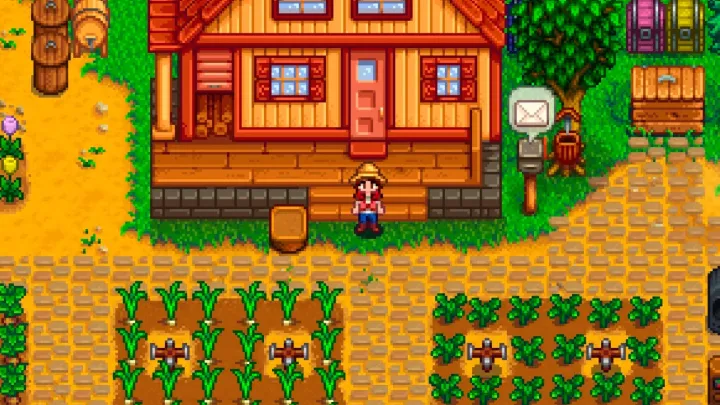
Updates and Expansions
ConcernedApe continues to support Stardew Valley with updates and expansions, enhancing the gameplay experience.
- Latest Updates: The game has received multiple updates since its initial release, introducing new content, features, and quality-of-life improvements. Major updates, like the 1.5 expansion, added new areas, farm layouts, and gameplay mechanics, keeping the experience fresh.
- Future Content: There are ongoing discussions within the community about potential future expansions, including new crops, animals, and storylines that could further enrich the game.
Continued Popularity
Stardew Valley’s ongoing popularity has solidified its place in gaming history.
- Legacy of Indie Games: As one of the most successful indie games globally, Stardew Valley showcases the potential of indie developers to create impactful, high-quality experiences that resonate with players.
- Influence on Future Titles: The success of Stardew Valley has inspired numerous indie game developers to explore the farming simulation genre, fostering a new wave of games that draw from its mechanics and storytelling.
Conclusion
Stardew Valley stands as a testament to the power of dedication, creativity, and community within the gaming world. With its rich array of gameplay mechanics, charming aesthetics, and an ever-growing community, it has captivated players worldwide. As it continues to evolve, its impact on the gaming landscape and its lasting legacy in the way casual games are designed will remain significant. Players not only cultivate crops but also a sense of community, connection, and joy, making Stardew Valley a cherished experience in the world of gaming.
The Emotional Connection of Stardew Valley
Introduction
One of the most compelling aspects of Stardew Valley is the emotional connection it fosters between players and the world around them. This connection deepens engagement and enhances player experiences, making the game resonate on a personal level for many.
Building Relationships
Interaction with NPCs
The non-playable characters (NPCs) in Stardew Valley are richly developed, each with their own personalities, backstories, and daily routines.
- Personal Storylines: Engaging with NPCs allows players to uncover personal stories that may resonate with their own experiences. For example, relationship quests often mirror real-life challenges, such as friendship, love, and conflict resolution.
- Friendship Dynamics: The dynamics of friendship in Stardew Valley reflect the importance of social connections. Players learn the value of nurturing relationships, which mirrored their interactions outside the game.
Emotional Investment
As players invest time in building relationships and engaging in daily activities, they become emotionally attached to the characters and their stories.
- Personal Growth: Many players find themselves reflecting on their growth through characters’ narratives. The struggles, triumphs, and celebrations of the NPCs resonate with players, contributing to a sense of shared experience.
- Life Lessons: The game teaches players valuable life lessons about empathy, patience, and resilience, enabling players to translate in-game relationships to real-life interactions.
The Sense of Accomplishment
Farming Success
The core gameplay loop of farming, crafting, and building provides a profound sense of accomplishment.
- Tangible Progress: Watching crops grow, animals thrive, and buildings take shape offers players a sense of tangible progress. Players are rewarded for their efforts, making it satisfying to see their vision materialize.
- Feedback Loop: The feedback loop created through gameplay—planting, harvesting, and selling—instills a sense of achievement and encourages players to set and reach new goals.
Creative Expression
Stardew Valley allows for creative expression through customization and design.
- Personalized Farms: Players can design their farms according to their preferences, incorporating elements that resonate with their personality and style. This customization fosters a deeper connection to the game world.
- Artistic Flair: Many players take pride in creating unique farm layouts, sharing their designs within the community, which further fuels creativity and engagement.
Celebrating Achievements
Milestones
Reaching milestones in Stardew Valley evokes a sense of celebration and joy.
- Leveling Up: Each time players level up in skills such as farming, mining, or fishing, they celebrate their progress and dedication. These milestones serve as tangible reminders of their growth in the game.
- Community Events: Participating in seasonal festivals and events allows players to celebrate achievements collectively, reinforcing a sense of belonging within the game.
Personal Achievements
Players often set personal goals, striving to complete collections or achieve 100% game completion.
- Challenging Goals: Many players relish the challenge of completing the community center bundles or discovering every type of fish. Achieving these personal goals offers immense satisfaction.
Connection with Nature
Escapism
Stardew Valley provides an escape from the hustle of daily life, allowing players to immerse themselves in a serene farming environment.
- Relaxing Atmosphere: The tranquil music, soothing gameplay, and vibrant landscapes create an inviting atmosphere that encourages mindfulness and relaxation.
- Nature Appreciation: Through in-game activities such as farming, fishing, and foraging, players develop a deeper appreciation for nature and rural life, fostering a connection to the environment.