.webp)




Introduction
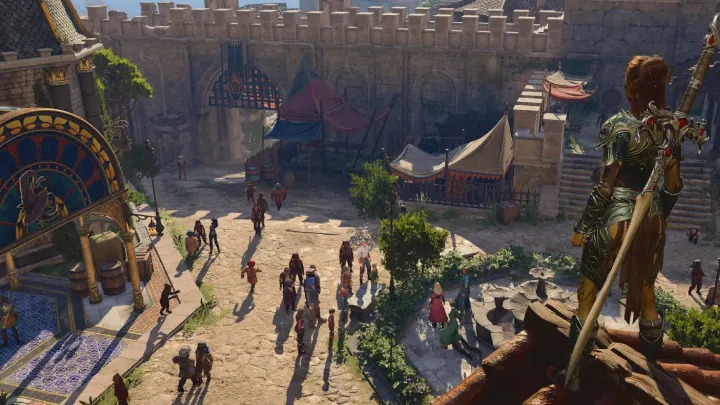
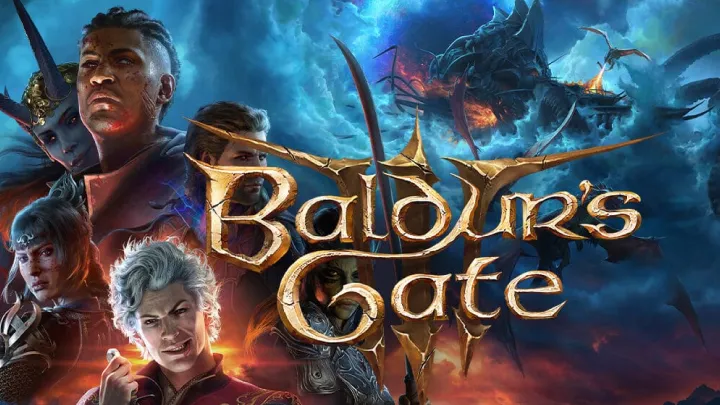
Baldur's Gate 3, the latest installment from Larian Studios, immerses players in a rich narrative world filled with intricate character interactions and morally complex decisions. As a faithful adaptation of Dungeons & Dragons 5th Edition rules, the game invites players to explore a vast landscape filled with choices that significantly shape their gameplay experience. The issue at the heart of this article is the depth and implications of choice and consequence within Baldur's Gate 3. Decisions players make can reverberate throughout their playthroughs, affecting not only immediate outcomes but also long-term relationships and story arcs. Through this examination, we will uncover how the game emphasizes moral ambiguity and the weight of consequences, offering a profound commentary on the nature of choice in role-playing games.
The Foundations of Choice in RPGs
Historical Context of Choice in Gaming
Role-playing games (RPGs) have long grappled with the notion of player choice. From early text-based adventures to modern open-world masterpieces, choices have served as a cornerstone of player engagement. However, the significance of these choices has evolved radically over time. In many early RPGs, choices often had little impact beyond the immediate gameplay, serving more as window dressing than as meaningful narrative devices.
The Emergence of Meaningful Choices
With the advent of games like Baldur’s Gate and Planescape: Torment, developers began to realize the potential of narrative choices as a means to deepen player immersion and engagement. Choices in these games could lead not only to different outcomes but also shape player identities, establishing the groundwork for the extensive choice mechanics in Baldur's Gate 3.
The Choice Architecture of Baldur's Gate 3
Layered Decision-Making
Baldur’s Gate 3 employs a unique choice architecture characterized by layered decision-making. Players are often faced with choices that have immediate consequences as well as ramifications that unfold later in the narrative. For instance, a seemingly minor dialogue option can lead to pivotal shifts in ally loyalty or the availability of specific quests.
Divergent Paths and Multiple Endings
The game excels in offering multiple narrative paths that diverge based on player choices. These paths are not only constructed around main story arcs but also involve side quests where characters may react differently depending on prior interactions. Larian Studios has designed a richly woven tapestry of narratives, rewarding players who fully explore the possibilities available to them.
Character Development and Relationships
Building Bonds and Trust
The depth of character interactions in Baldur’s Gate 3 is one of its most compelling features. Player choices impact relationships with companions, each with their own unique narratives and motivations. Actions taken in one scene can build trust or resentment, influencing dialogue options and potentially unlocking new quests.
The Consequences of Betrayal
For instance, choosing to betray a companion in a key moment can have far-reaching consequences, not just for the individual relationship but for the party dynamic overall. Such betrayals resonate through the story, affecting both character development and strategic gameplay. Players must navigate the complexities of building alliances while being aware that their choices carry weight.
The Moral Ambiguity of Choices
Gray Areas in Decision-Making
One of the standout features of Baldur's Gate 3 is its commitment to moral ambiguity. Unlike many games where choices are simply defined as good or evil, the moral landscape in Baldur’s Gate 3 is richly shaded. Players are often confronted with scenarios that force them to weigh the consequences of their actions in a compelling way.
Ethical Dilemmas
For example, a player may encounter a situation where they must choose between saving a village or pursuing a powerful artifact that could help them in their quest. Each choice presents a unique moral dilemma, and players may find themselves questioning their motivations and values. This nuanced approach encourages deeper reflection and discussion, particularly around difficult themes like sacrifice and the greater good.
The Role of Player Identity
Personalizing the Player Experience
Player choice in Baldur’s Gate 3 directly contributes to the establishment of player identity within the game. Players are invited not only to make choices but to consider how those choices reflect their values and principles. The game encourages players to create characters imbued with personal backstories, which can further influence choice.
Impact on Role-Playing
The blend of character backstory and player choice leads to a richer role-playing experience. Players can embody their chosen character's motivations while also navigating the complexities of the world, leading to moments of genuine emotional investment in the story.
The Consequences of Inaction
The Weight of Complacency
Baldur's Gate 3 also posits that inaction carries consequences, often just as significant as making a choice. Players may find themselves in situations where failing to act can lead to potential disasters or missed opportunities. This mechanic reinforces the idea that every moment in the game carries weight.
Missed Opportunities
For example, hesitating during crucial dialogue can result in lost alliance opportunities or failure to prevent disastrous events. This concept creates an urgency in decision-making, encouraging players to consider not only what they choose but also what they leave undone.
The Impact of Luck and Randomness
The Role of Dice Rolls
With its Dungeons & Dragons roots, Baldur’s Gate 3 incorporates dice rolls into its decision-making, introducing an element of randomness that players must adapt to. This mechanic can drastically affect outcomes, especially in combat or during pivotal narrative moments. Players may make choices they believe to be morally right, only for fate to turn against them.
Adapting to Uncertainty
The incorporation of luck fosters a unique gameplay experience where players must be ready to adapt. A failed dice roll can lead to unexpected consequences, providing both a challenge and an opportunity for players to reevaluate their strategies and decisions. This unpredictability adds a level of excitement that deepens player engagement.
Community Response and Discussion
Player Satisfaction and Critique
The choices and consequences system in Baldur’s Gate 3 has spurred numerous discussions among players. Many appreciate the depth and intricacies of the choice architecture and articulate how it enhances the role-playing experience. Community forums and social media platforms are filled with players sharing their unique outcomes based on their choices, fostering a sense of shared storytelling.
Diverse Perspectives
However, not all feedback is positive. Some players express frustration with certain choices feeling limited or overly punishing, noting instances where they felt significant outcomes were unfairly determined by dice rolls. This divergence in opinions reflects the challenges inherent in designing choice-based gameplay that satisfies all players.
The Future of Choice and Consequences in Gaming
Setting New Standards
Baldur's Gate 3 has undeniably set a new standard for choice and consequence in video games. While many RPGs have dabbled in moral ambiguity and multiple endings, Larian Studios has successfully woven a narrative where player decisions feel genuinely impactful.
Evolving Game Design
As the gaming industry continues to evolve, future titles may look to Baldur’s Gate 3 as a blueprint for incorporating meaningful choices and consequences into their narratives. The challenge will be to maintain balance in player experience—ensuring that choices feel consequential without becoming oppressive or frustrating.
Conclusion
The world of Baldur's Gate 3 masterfully combines choice and consequence to create a richly immersive experience that captivates players. By encouraging meaningful choices, fostering deep relationships, and challenging players with moral ambiguities, the game exemplifies the potential of storytelling in RPGs. The complexity of player actions reflects not only in outcomes but also shapes the very essence of gameplay. As players navigate the intricacies of the world, they learn that even the smallest decisions can ripple through their narratives, creating a vibrant tapestry of personal stories within a larger epic narrative. The commitment to nuanced choices and the exploration of their consequences positions Baldur’s Gate 3 as a landmark title that will influence the future of role-playing games.