.webp)








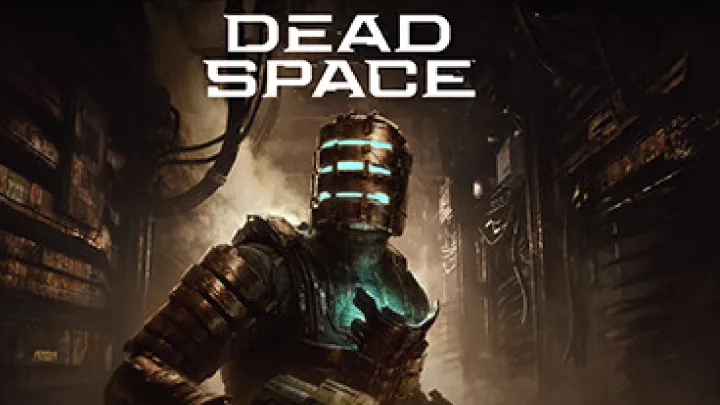
Dead Space, originally released in 2008 by Electronic Arts and developed by EA Redwood Shores, is a hallmark of survival horror that has garnered both critical acclaim and a dedicated fanbase. What sets Dead Space apart is its profound exploration of psychological horror, instilling a sense of existential dread as players navigate the cramped and decaying corridors of the USG Ishimura. This article delves deep into the theme of isolation in Dead Space, examining how it manifests through environmental design, narrative elements, and character psychology, ultimately creating an unforgettable gaming experience.
Introduction
Dead Space thrusts players into the role of Isaac Clarke, an engineer tasked with investigating a distress signal from the USG Ishimura, a massive mining ship that has gone dark. Upon arrival, Clarke discovers that the ship has been overrun by grotesque creatures known as Necromorphs, reanimated corpses twisted into horrific forms. While the horror of Dead Space is visceral—brimming with jump scares and gruesome imagery—its more profound terror lies in the emotional and psychological experiences of isolation and fear. The game invites players to confront not just external dangers but also the deepest, most unsettling fears of being trapped alone in a dark, unknown environment.
The Setting: A Character in Its Own Right
Environmental Design
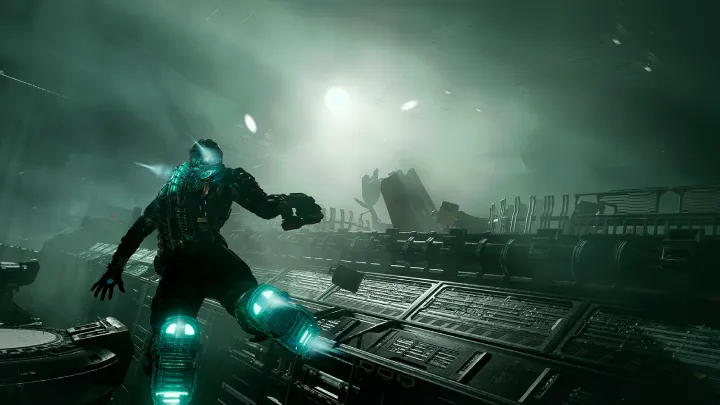
From the moment players step onto the USG Ishimura, the design of the setting is both claustrophobic and chilling, playfully manipulating the sense of space to evoke dread.
- Detailed Interiors:
- The interiors of the Ishimura are meticulously designed, filled with dark, cramped spaces and flickering lights. The absence of light contributes to the feeling of isolation, as players often find themselves in poorly lit corridors where danger can lurk just out of sight.
- Rooms are littered with the remnants of hasty abandonment—blood stains, discarded equipment, and personal effects—which serve as constant reminders of the crew’s ultimate fate.
- Sound Design:
- The soundscape of Dead Space plays a crucial role in amplifying the psychological horror. Eerie silence is frequently interrupted by unsettling ambient noises, such as distant creaking, whispers, and the haunting sounds of Necromorphs.
- These auditory cues not only heighten tension but also reinforce the feeling of being utterly alone, as players often rely on sound to detect the location of threats in their dark surroundings.
Confinement and Layout
The design of the Ishimura further enhances feelings of entrapment. The layout consists of winding passages, dead ends, and interconnected rooms that players must navigate.
- Lack of Escape Routes:
- Players frequently encounter moments where they are forced to make decisions about where to go, often with limited options that may lead them deeper into the ship’s bowels. Each choice can enhance feelings of helplessness.
- This layout encourages exploration but also instills fear; players begin to realize that escape may not be possible as they delve deeper into danger.
- Environmental Storytelling:
- The environment tells a story of decline and despair. As players traverse the Ishimura, they encounter scenes of panic and violence—evidence of the crew’s struggles against the encroaching threat of the Necromorphs.
- Each encounter with these reminders of humanity not only escalates the horror but adds layers to the narrative, illustrating the consequences of isolation on mental health and community.
Isaac Clarke: The Everyman Hero
Psychological Profile
Isaac Clarke begins as an everyman character, an engineer thrown into the horrific events aboard the Ishimura. His background as a skilled technician contrasts sharply with the monstrous threats he encounters, amplifying the horror.
- Isolation and Trauma:
- Isaac's motivations are deeply personal; he is not just trying to survive—he is searching for his girlfriend, Nicole, who is somewhere on the ship. This personal quest amplifies his sense of isolation.
- Players experience his mental state as his journey progresses, with hallucinations and visions of Nicole causing fear and doubt. This portrayal reflects the psychological impacts of isolation on the human mind.
- Silent Protagonist:
- Isaac’s lack of verbal communication enhances the feeling of isolation. While the game presents other characters through audio logs and flashbacks, Isaac’s silence serves to magnify the weight of his experiences.
- This distance can create a sense of loneliness, making players feel more connected to his struggles as he faces horrific threats with little support.
Transformation Under Duress
As the game progresses, Isaac’s character undergoes a transformation driven by the horrors he faces aboard the Ishimura.
- Evolution into a Survivor:
- With each encounter, he transforms from a mere technician into a more capable survivor, adapting to his hostile environment. This evolution highlights the human capacity for resilience and adaptability under pressure.
- Isaac’s psychological struggles are depicted through visual cues, such as his increasing fatigue, which signify his mounting stress and mental decline.
- Existential Crisis:
- Isaac grapples with existential fears as he faces the Necromorphs. Through the narrative, players witness the effect of trauma and isolation manifesting in his psyche, leading to moments of despair where survival seems unattainable.
- The culmination of Isaac’s journey raises questions about his humanity—at what point do self-preservation and survival instincts override core human values?
The Necromorphs: Manifestations of Terror
Design and Symbolism
The Necromorphs serve as both the main antagonists and symbols of the horrors that arise from human isolation. Their grotesque appearance and backstory enhance the game's psychological horror.
- Physical Representation of Fear:
- The Necromorphs are grotesque deformation of once-human bodies, reflecting what fear can drive humanity to become. Their design often incorporates elements that evoke primal fear—sharp appendages, disturbing facial features, and unnatural movements.
- This transformation serves as a horrific reminder that isolation has not only fostered psychological dread but also birthed new, terrifying forms of existence.
- Thematic Relevance of the Necromorphs:
- Their existence raises ethical questions about life, death, and what happens to humanity in the face of overwhelming fear and isolation. The Necromorphs serve as a constant reminder of mankind’s fragility.
- They reflect Isaac’s internal struggles and fears, acting as physical manifestations of his trauma and isolation.
Combat Dynamics
The mechanics of combat against the Necromorphs further enhance player experiences, increasing tension and fear as they confront these horrific entities.
- Strategic Dismemberment:
- The game introduces a unique combat system that encourages players to dismember Necromorphs, necessitating a blend of precision and strategy. This mechanic forces players to engage closely with the crawlers, enhancing feelings of vulnerability.
- The emphasis on targeting limbs fosters a sense of fear, as players must approach each encounter mindfully, underlining the fragility of their own existence against these relentless entities.
- Unpredictability of Encounters:
- The unpredictability of Necromorph attacks adds chaos to encounters, keeping players on edge. Knowing that a seemingly empty corridor may suddenly erupt with horror leads to relentless tension.
- Their unexpected appearances and aggressive behavior reinforce a sense of dread, as players are seldom given respite amid the nightmarish encounters.
The Theme of Isolation
Emotional Isolation
Throughout Dead Space, emotional isolation is a pervasive theme that amplifies the horror of the narrative. It is particularly manifest during moments of solitude where Isaac must confront his fears.
- Isolation from Humanity:
- As Isaac progresses through the Ishimura, he becomes increasingly isolated from other human beings. The death and dismemberment of those he encounters heighten his loneliness and despair.
- The absence of effective communication highlights this notion; when Isaac does come across survivors, they often meet grim fates, deepening his sense of isolation.
- Psychological Deterioration:
- Isaac’s isolation invokes a psychological breakdown, accentuated by his recurring hallucinations. These moments blur the lines between reality and his psyche, making players question what is real and what is a figment of his deteriorating mental state.
- As the narrative unfolds, players witness Isaac's mental decline, driven by isolation and fear, culminating in a fragmented sense of self that challenges his survival instincts.
Social Commentary
Dead Space subtly comments on the nature of isolation—how it affects individuals and communities, as well as the ethical implications of technological advancement.
- Impacts of Isolation on Society:
- The backdrop of a mining ship suggests not only human exploitation of resources but also the dangers of unregulated scientific experimentation. The isolation of the USG Ishimura serves as a metaphor for the disconnect between scientific ambition and ethical responsibility.
- This ethical discussion is embodied in the Necromorphs, representing the unintended consequences of humanity’s hubris.
- The Role of Communication:
- The breakdown of communication aboard the Ishimura mirrors Isaac’s descent into isolation. The absence of effective dialogue among crew members leads to catastrophic failures, emphasizing the importance of connection in overcoming adversity.
- The game encourages players to question modern reliance on technology in communication versus authentic human connections, highlighting the value of social bonds.
Hallucinatory Experiences
Visual and Auditory Hallucinations
Dead Space employs hallucinations as a means of showcasing Isaac’s psychological decline, highlighting the interplay between fear, isolation, and mental health.
- Visions of Nicole:
- Isaac’s visions of Nicole are particularly poignant. They blur the line between reality and hallucination, revealing his struggles with guilt and loss across the narrative.
- These manifestations serve as emotional anchors, reminding players of the life that Isaac is trying to cling to amid the horror, confirming that isolation affects more than just physical presence.
- Audio Cues:
- The ambient sounds within the Ishimura are laced with unsettling whispers and echoes that amplify Isaac’s psychological turmoil. The auditory hallucinations create an additional layer of fear, as they can lead players to feel as though they are not alone, even when they are.
- These haunting sounds reflect Isaac's mind fracturing under the immense pressure of isolation, bridging the gap between horror and psychological warfare.
Symbolic Representation of Isolation
Hallucinations symbolize the broader psychological impacts of isolation, weaving narratives of guilt and regret throughout the gameplay.
- Internal Conflicts:
- Isaac’s struggles manifest through the hallucinations of Nicole, each vision revealing his unresolved guilt and unaddressed grief. This poignant representation of internal demons serves to deepen players' emotional engagement with the narrative.
- The hallucinations serve as reminders of Isaac’s humanity and the life he lost, intensifying the horror experience as he grapples with facing the truth of his circumstances.
- The Fragility of Reality:
- As players experience Isaac's gradual psychological disintegration, they are invited to question the reliability of their perceptions—forcing them to confront their own understanding of reality and isolation.
- This unsettling experience connects players deeply to the narrative, inviting them to reflect on the psychological impacts of their own fears and isolating experiences.
The Climax: Confronting Emptiness
Final Showdowns
The climax of Dead Space leads to monumental confrontations that encapsulate the emotional journey of Isaac Clarke while punctuating the theme of isolation.
- Final Encounters:
- The buildup to the final confrontations with the Necromorphs and the entity known as the Marker poses intricate challenges that amalgamate Isaac's physical, emotional, and psychological trials.
- These climactic moments reveal the culmination of Isaac’s fears and guilt, challenging him to confront not only his outer enemies but also the manifestations of his own suffering.
- The Denouement of Guilt:
- The conclusion of the storyline signifies a release of tension, but it leaves lingering questions regarding the nature of Isaac’s experiences.
- Players are left to ponder whether Isaac will emerge from these trials as a survivor or be forever changed by the isolation he endured, registering the complexity of human resilience under psychological strain.
The Cycle of Isolation
The outcomes of Dead Space echo the broader themes of isolation and psychological horror. Even as Isaac confronts his external foes, he remains trapped in a cycle of emotional conflict.
- Repercussions of Survival:
- As he survives the horrors of the Ishimura, the psychological scars of isolation remain, reinforcing the notion that true horror lies not just in monsters but in the effects that fear and isolation have on the human mind.
- The ambiguity of Isaac’s fate provokes thoughts on long-term psychological impacts, reflecting real-world issues related to trauma and isolation.
- Impact on the Player:
- The emotional weight of the narrative and its complex themes invite players to engage in critical self-reflection, extending their experience beyond the game into their own lives.
- By confronting and exploring the theme of isolation, players may be inspired to consider their relationships and internal struggles, creating a lasting emotional impact that transcends gameplay.
Conclusion
Dead Space masterfully explores the theme of isolation through the lens of psychological horror, intertwining environmental design, character development, and narrative depth into a compelling experience. As players navigate the eerie corridors of the USG Ishimura, they confront not only external threats but also the internal battles facing Isaac Clarke—battles that reflect the complexity of being alone in a hostile world.
Through its nuanced portrayal of psychological horror, Dead Space not only captivates players through adrenaline-fueled moments but also invites a deeper understanding of human emotion and resilience in the face of isolation. The game stands as a poignant exploration of the darker aspects of the human experience, ensuring its place as a hallmark in the survival horror genre and leaving a lasting impact on players long after the final credits roll.