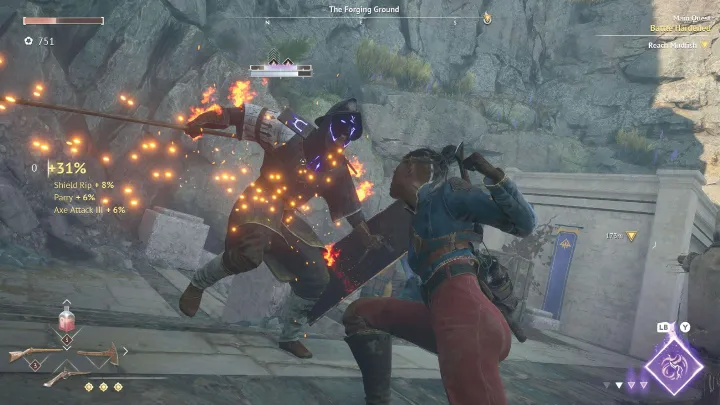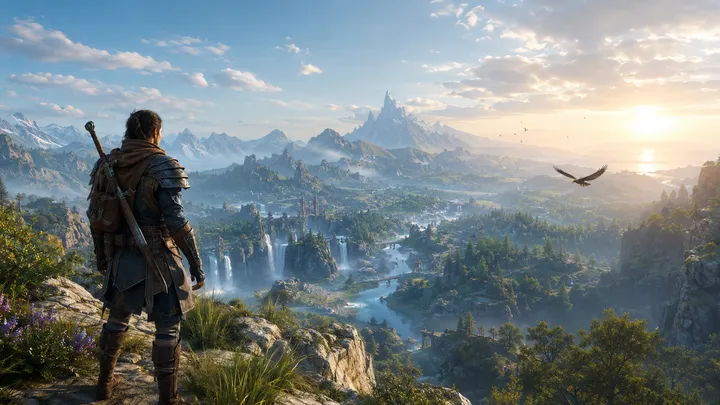






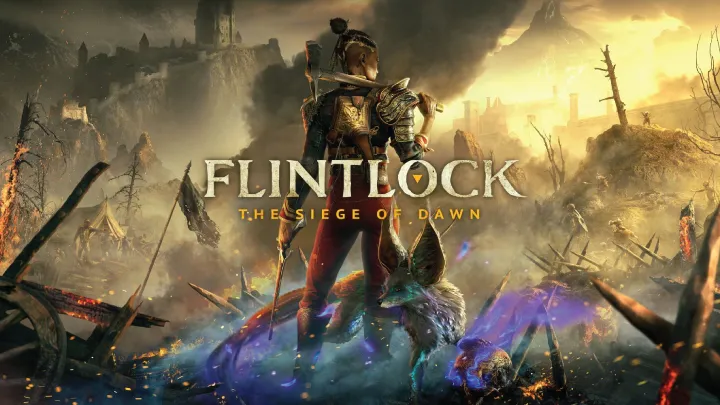
Flintlock: The Siege of Dawn has emerged as a captivating title within the action-adventure genre, drawing players into its rich narrative and dynamic world. Developed by A44, this game combines a unique blend of gunpowder weaponry and traditional melee combat set in a mythical world filled with gods and creatures. While the game has received praise for its visuals and storytelling, it is the combat mechanics that warrant a more in-depth exploration. This article focuses on the complexities of combat in Flintlock, highlighting how the integration of gunpowder and melee combat introduces challenges and opportunities for both newcomers and veteran gamers.
The Concept of Duality in Combat
In Flintlock, the concept of duality is not only thematic but foundational to its combat mechanics.
The Marriage of Firearms and Melee
- Unique Combat System: Combines firearms and melee combat.
- Fluid Transition: Players can switch between ranged and close-quarters tactics seamlessly.
- Tactical Choices: Enhances combat strategies by allowing varied engagements.
Enhancing Tactical Choices
- Firearms: Effective for dealing damage from afar.
- Melee Combat: Suitable for aggressive engagements and close encounters.
- Adapting to Situations: Forces players to modify strategies according to circumstances.
Learning Curve and Complexity
While the combat mechanics are engaging, they also present a steep learning curve, particularly for new players.
Initial Challenges in Combat
- Overwhelming Mechanics: New players may find it difficult to master both combat styles.
- Limited Tutorials: Initial guidance might not be enough for a comprehensive understanding.
- Frustrating Encounters: Early challenges can lead to a feeling of being ill-equipped.
The Adaptation Process
- Time Investment: Mastery requires dedication and practice.
- Sense of Achievement: Improvement leads to a rewarding experience.
- Developer Consideration: Improved onboarding could facilitate player adaptation.
Fluidity versus Frustration
One of the core challenges with the combat system in Flintlock is balancing fluidity and responsiveness with the potential for frustration.
Combat Responsiveness
- Player Expectations: Responsive controls are necessary for a dynamic experience.
- Input Lag Issues: Delays can detract from player enjoyment and engagement.
- Fluid Combat: Smooth chaining of attacks creates a rewarding experience.
The Role of Feedback Mechanisms
- Combat Interactions: Visual and audio feedback enhances player understanding.
- Hit Confirmation: Immediate feedback can prevent confusion during engagements.
- Enhancing Immersion: Players should feel connected to their actions and decisions.
Enemy Design and AI
The complexities of enemy design are central to challenging combat encounters within Flintlock.
Varied Enemy Types
- Diverse Foes: Features numerous enemies with unique abilities.
- Combat Styles: Players must adapt to each foe's strengths and weaknesses.
- Strategy Requirements: Varied battles force continuous strategic evolution.
AI Behavior Dynamics
- Aggressive Enemies: Pressure on players leads to frantic decision-making.
- Intelligent AI: Enemies that flank or coordinate can heighten difficulty.
- Balance Challenges: Ensuring enemies are neither overwhelming nor predictable is key.
Combat Feedback and Player Agency
The feedback loops in combat are critical to player agency in Flintlock.
Visual and Audio Cues
- Clear Indicators: Visual/audio cues enhance player comprehension.
- Preemptive Alerts: Notifications of enemy actions can prevent confusion.
- Understanding Combat Flow: Players should grasp the mechanics easily.
Empowering Player Choices
- Diverse Options: Allow players to make strategic decisions.
- Environmental Interactions: Encourage creative solutions to combat scenarios.
- Increased Immersion: Fostering a sense of agency enhances the gameplay experience.
The Impact of Environmental Design
The environments in Flintlock not only serve as a backdrop but also interact with combat mechanics.
Level Layout and Strategy
- Influential Design: Levels can dictate combat dynamics (open vs. close quarters).
- Tactical Advantages: Features like cover or elevation can assist players.
- Variety in Encounters: Level design should encourage strategic diversity.
Incorporating Environmental Hazards
- Dynamic Gameplay: Hazards add complexity to encounters.
- Risk vs. Reward: Navigating hazards offers thrilling gameplay moments.
- Balancing Challenges: Avoid player frustration through careful environmental design.
Progression and Upgrades
Progression systems in Flintlock play a significant role in enhancing combat effectiveness and player investment.
Skill Trees and Customization
- Tailored Abilities: Players can focus on melee or gunplay according to their style.
- Ownership of Combat: Customization fosters a connection to the gameplay experience.
- Varied Progression Paths: Multiple skill choices can enhance player engagement.
Balancing Progression with Difficulty
- Overpowered Players: Monitoring player advancement is crucial.
- Sustaining Challenge: Players should continue to be challenged, even with upgraded skills.
- Considerate Design: Developers should ensure balanced encounters as players level up.
Community Feedback and Game Evolution
Listening to community feedback has become essential for Flintlock's evolution as a game.
The Player Community Dialogue
- Valuable Insights: Player feedback on combat mechanics is vital for improvements.
- Forums and Social Media: Platforms for players to express concerns and suggestions.
- Engaging Players: Actively listening to the community can inform development decisions.
Iterative Design Changes
- Adaptable Mechanics: Implement changes based on community input.
- Enhancing Feedback Loops: Improving aspects like weapon mechanics or enemy AI.
- Continuous Improvement: Iterative feedback promotes a better overall experience.
The Future of Combat in Flintlock
Looking ahead, the evolution of combat mechanics in Flintlock presents exciting possibilities.
Innovations in Mechanics
- New Features: Future updates could introduce fresh weapon types or abilities.
- Evolving Enemy AI: Continuous challenges can keep veteran players engaged.
- Refreshing Encounters: Introducing new mechanics can entice new players.
Emphasis on Community-Driven Development
- Building Together: Engaging players helps prioritize where to focus development efforts.
- Responsive Changes: Community suggestions can lead to significant enhancements.
- Robust Gameplay: A player-centric approach can ensure the game remains thrilling and engaging.
Conclusion: Mastering the Art of Combat
The intricacies of combat mechanics in Flintlock: The Siege of Dawn reveal a complex interplay between diverse gameplay styles, responsive controls, and engaging enemy design. While the duality of gunpowder and melee combat presents challenges for new players, it also rewards those willing to invest time in mastering the system. Balancing fluidity with accessibility remains central to enhancing player experience, ensuring that combat stays engaging and dynamic.
In conclusion, developer attention to feedback and a commitment to iterative design will be key in refining combat mechanics, creating an enduring legacy for Flintlock within the gaming community.