




FIFA Rivals has undergone a major series of updates that significantly reshape gameplay, strategy, and the competitive landscape. The developers have shifted their focus toward real-time balance changes, enhanced AI behavior, dynamic player progression, and improved matchmaking. These updates aim to create a more skill-driven ecosystem while still keeping the collectible and upgrade systems exciting for long-term players. This News article explores each meaningful update in depth, tracing the timeline of changes and the impact they’ve had on players at every level.
New Real-Time Physics Engine Rollout
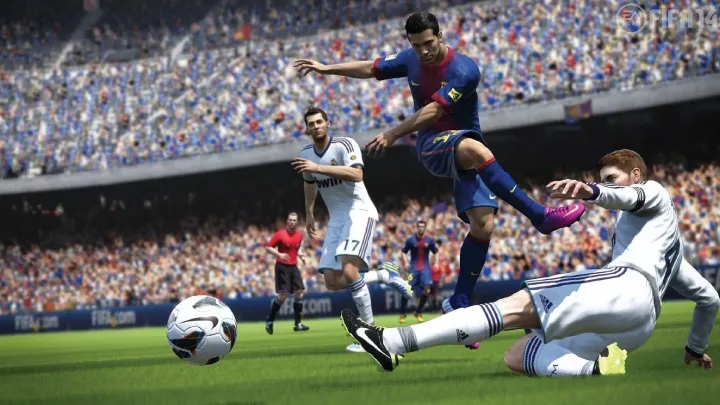
The first major change in this update cycle is the introduction of a new real-time physics engine designed to replicate more realistic player interactions. Tackles now have weight, individual attributes matter more, and animations feel more fluid. This engine solves long-standing issues related to “magnetic” dribbling and overly predictable ball trajectories.
Players immediately noticed a shift in pace, as the physics system slows down chaotic moments and rewards precise input. The game now feels more readable, especially during contested midfield plays. This change particularly benefits players who rely on tactical buildup rather than raw sprint mechanics.
AI Defensive Behavior Overhaul
One of the most impactful changes is the rework of defensive AI. The old system often relied on rigid positioning that felt either too passive or too aggressive. The new update introduces adaptive defensive awareness, meaning AI players now react dynamically to sprint patterns, passing lanes, and dribbling threats.
This has made defending more challenging, especially for players who rely on the AI to “clean up mistakes.” Now, manual defending plays a larger role as AI defenders prioritize zone control rather than direct ball pressure. For competitive players, this update has created a much more skill-reliant defensive meta.
Revamped Player Progression System
A major update in the progression system now ties upgrades more closely to player performance. Instead of relying solely on training points and currency, players can unlock progression bonuses through match-based milestones.
Key advantages include:
• Better differentiation between casual and competitive players
• Reduced pay-to-win advantage in early brackets
• Increased motivation to play consistently rather than hoard resources
This change has been widely praised for improving fairness. However, it also means players must adapt to a more grind-oriented system where consistent performance is the true path to progression.
Seasonal Event Restructure
Seasonal events in FIFA Rivals have been completely restructured to include rotating formats that reward different playstyles. Rather than repeating similar tasks each season, players are now exposed to unique challenges such as:
Bold Challenges:
• Counter-Attack Seasons
• Long-Ball Mastery
• Midfield Domination
• Keeper Reflex Trials
These events shift the meta throughout the year, making it harder for a single strategy to dominate. As a result, teams that once depended heavily on pace must now adapt to events that reward vision, passing accuracy, or defensive organization.
Economy Adjustments and Pack Rebalancing
The in-game economy has been recalibrated, affecting everything from pack drop rates to currency acquisition. Rare player cards no longer rely on extreme luck, thanks to the new “Guaranteed Progress Bar” that fills with every pack opened.
This adjustment aims to reduce the frustration of receiving duplicate low-value players. It also smooths out the progression curve for new users joining mid-season. Veteran players, however, are mixed about this update, with many feeling it slightly reduces the value of their existing elite collections.
Matchmaking System Improvements
The matchmaking algorithm now prioritizes rating consistency, player skill patterns, and recent performance. Previously, players often encountered mismatched opponents with drastically different team strength levels.
The new system limits extreme pairings by analyzing:
• Team overall rating
• Recent win-loss patterns
• Player mechanical performance metrics
• Preferred playstyle indicators
This results in more balanced matches overall. Some users report longer matchmaking times during off-peak hours, but the quality of matches has generally improved.
New Competitive Ladder Format
FIFA Rivals has introduced a new tier-based ladder system that includes weekly reset checkpoints. Unlike the old format, where players could rise and fall unpredictably, the new ladder system offers structured stability.
Weekly checkpoints reward consistency rather than streak-based luck. Competitive players appreciate the clear progression and the introduction of “Skill Tiers” that categorize playstyle efficiency. This update has elevated the esports potential of FIFA Rivals, making it closer to traditional competitive formats.
Meta Shifts Following Attribute Rebalancing
Player attributes have been rebalanced significantly, causing a shift in the dominant meta. Pace is no longer the overwhelming determining factor in match outcomes. Developers have redistributed attribute weight to improve the importance of:
• Ball control
• Positioning
• Stamina management
• Passing accuracy
The result is a more tactically diverse environment where technical midfielders and strong defenders have a more meaningful impact. This change has helped reduce the gap between high-speed teams and more balanced squads.
Introduction of Dynamic Weather Effects
A surprising addition is the dynamic weather system, which affects ball handling, shot accuracy, and stamina. Rainy matches reduce sprint effectiveness, while sunny conditions fatigue players faster. Snow slows passing speed and increases ball bounce, creating variance in defensive play.
This update adds depth and unpredictability to matches. Some competitive players believe weather should be optional in ranked modes, but the developers insist it brings realism and tactical creativity to the forefront.

Player Lock and Tactical Micro-Control
One of the most praised updates is the introduction of Player Lock, a feature that allows players to manually assume control of specific off-ball players during attacking sequences. This mechanic rewards experienced players who can create space, manipulate defenders, and time runs precisely.
The update has raised the skill ceiling of FIFA Rivals considerably. Tutorials and training modes have been added to help players understand the advanced mechanics, but mastery takes time. Player Lock has become a defining feature that separates casual and pro-level gameplay.