.webp)







Schedule I has quickly become a widely discussed hot game thanks to its immersive progression systems, open-ended gameplay, and strategic decision-making mechanics. Players are drawn into a dangerous world where every action matters, requiring careful planning, resource management, and smart expansion choices. The game blends simulation, survival, and strategy into a highly addictive experience.
If you are wondering how to grow faster, manage resources efficiently, and avoid common mistakes, this complete guide will walk you through everything you need to know. Whether you are a beginner or an advanced player, mastering Schedule I requires patience, planning, and adaptability.
1. What is Schedule I?
Schedule I is a simulation and strategy-focused experience where players build operations, manage resources, and navigate risky situations. As a rising hot game, it combines management systems with progression-based gameplay.
Understanding how to balance growth and risk is essential for success in Schedule I. Expanding too quickly without preparation can create major problems later.
Core Features
- Open-ended progression
- Resource management
- Strategic decision-making
- Risk and reward systems
Why It Stands Out
The freedom and depth of gameplay make Schedule I a highly engaging hot game.
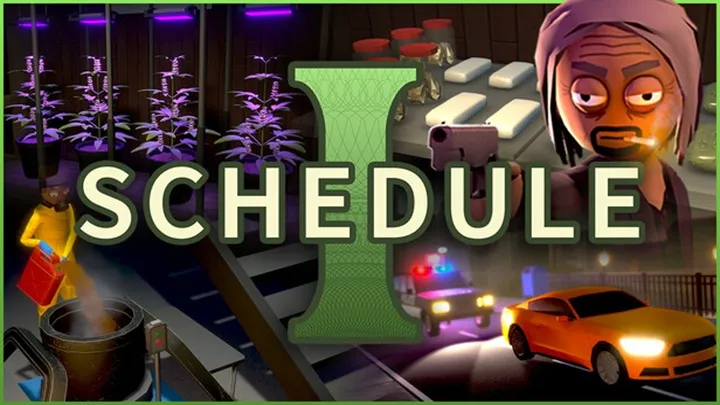
2. Why Schedule I is a Hot Game
The popularity of Schedule I comes from its immersive mechanics and rewarding progression. Players enjoy building strategies and optimizing their operations over time.
Many players search for how to improve efficiency, helping the game remain a trending hot game.
Reasons for Popularity
- Deep progression systems
- Strategic gameplay
- High replay value
Community Appeal
The community frequently shares strategies and progression tips for Schedule I.
3. Basic Gameplay Mechanics
To succeed in Schedule I, you must understand the core systems including management, expansion, and resource allocation.
Learning how to prioritize tasks effectively will greatly improve your performance in this strategic hot game.
Essential Mechanics
- Resource collection
- Inventory management
- Expansion planning
Common Mistakes
Beginners often expand too quickly in Schedule I without enough preparation.
4. Understanding Resource Management
Resource management is one of the most important aspects of Schedule I. Poor management can slow progression significantly.
Knowing how to allocate resources wisely will help you grow efficiently in this complex hot game.
Resource Priorities
- Currency management
- Supply efficiency
- Upgrade planning
Efficiency Tips
Always maintain a reserve of important resources in Schedule I.
5. Beginner How To Tips
If you’re new to Schedule I, focus on learning the systems slowly and avoiding unnecessary risks.
Applying simple how to strategies will help you build a strong foundation in this immersive hot game.
Beginner Tips
- Start small
- Upgrade gradually
- Observe game systems carefully
Building Confidence
Confidence improves with experience in Schedule I.
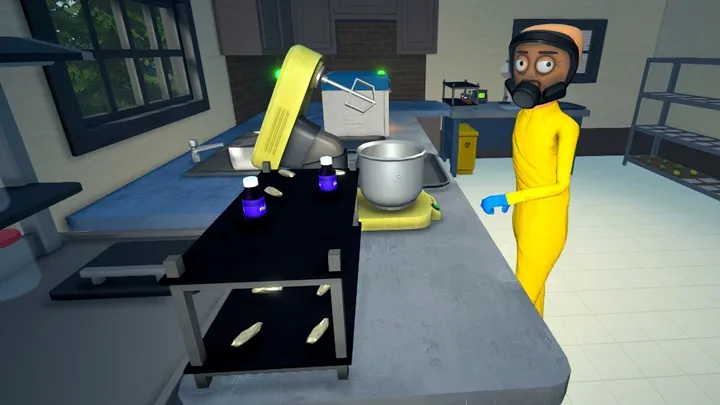
6. Intermediate Growth Strategies
Once you understand the basics, it’s time to optimize your progression in Schedule I. Intermediate strategies focus on balancing efficiency and expansion.
Learning how to scale operations carefully will help you succeed in this evolving hot game.
Key Strategies
- Balance income and upgrades
- Optimize workflow
- Avoid unnecessary risks
Consistency Matters
Consistency is crucial in Schedule I.
7. Advanced Optimization Techniques
Advanced players in Schedule I focus on maximizing efficiency while minimizing losses and downtime.
Mastering how to optimize every aspect of your operation will elevate your performance in this competitive hot game.
Pro Techniques
- Long-term planning
- Efficient resource cycling
- Strategic expansion timing
Mastery Level
Mastery requires patience and smart decision-making in Schedule I.
8. Managing Risk and Challenges
Challenges and unexpected problems are central to Schedule I. Players must adapt quickly to changing situations.
Understanding how to handle risks effectively will improve your long-term success in this demanding hot game.
Risk Management Tips
- Avoid overextending
- Maintain reserves
- Prepare backup plans
Adaptation Skills
Flexibility is important in Schedule I.
9. Progression and Long-Term Success
Long-term progression in Schedule I depends on smart investments and efficient management.
Knowing how to maintain steady growth will help you remain competitive in this rewarding hot game.
Progression Tips
- Invest strategically
- Focus on sustainability
- Upgrade important systems first
Long-Term Planning
Planning ahead is essential in Schedule I.
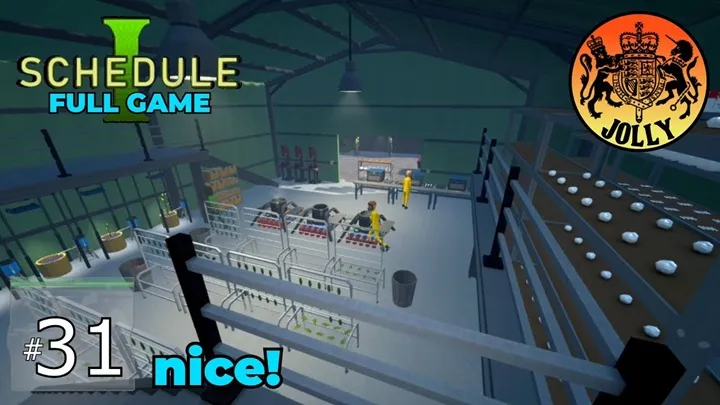
10. Why Schedule I Remains a Hot Game
The long-term success of Schedule I comes from its depth, replayability, and strategic freedom. Players continuously experiment with new approaches and strategies.
Many continue searching for how to optimize gameplay, ensuring Schedule I remains a leading hot game.
Key Strengths
- Strategic gameplay depth
- High replay value
- Immersive progression systems
Future Potential
Schedule I has strong potential for long-term popularity.
Conclusion
In conclusion, Schedule I is more than just a hot game—it is a deep strategic experience that rewards careful planning and smart management. By learning how to manage resources, balance risks, and optimize progression, you can significantly improve your gameplay experience.
Stay patient, keep improving your strategies, and enjoy the challenge of mastering Schedule I.